



Yes. Kodo millet is naturally gluten-free. If you have coeliac disease or need to strictly avoid gluten, check the packaging and processing information for possible cross-contamination.

Kodo Millet: Benefits, Nutrition, Recipes & Uses

⏱️ 6 min read
Kodo millet is one of India's traditional small millets, valued for generations for its versatility and nutritional profile. Known as Varagu in Tamil, Koden or Kodra in Hindi, and Harka in Kannada, this small grain can be used in many everyday Indian dishes.
Today, kodo millet is gaining renewed attention as more people explore traditional grains and minimally processed alternatives to refined cereals. It provides carbohydrates, dietary fibre, protein, minerals and other naturally occurring nutrients, making it a useful addition to a balanced diet.
Curious to know what is kodo millet and why this traditional grain is gaining attention? From its regional names and nutritional profile to the benefits of kodo millet and ways to enjoy it, here’s everything you need to know.
🛒 Buy Organic Kodo Millet Online
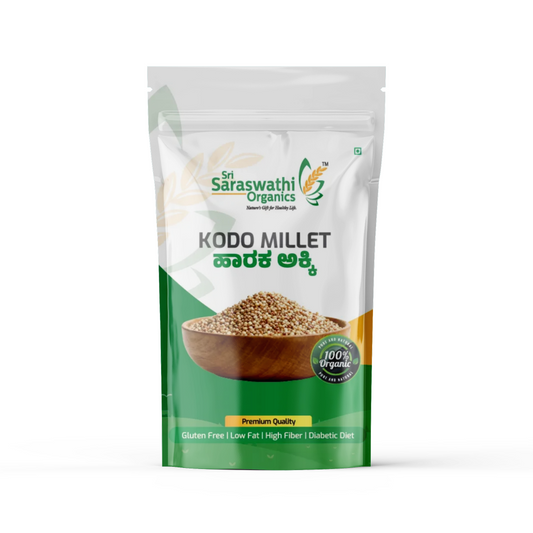
At Sri Saraswathi Organics, our organic kodo millet is unpolished, carefully cleaned and packed for everyday cooking.
Explore Organic Kodo Millet →What Is Kodo Millet?
Kodo millet is a small millet belonging to the grass family, with the scientific name Paspalum scrobiculatum. The grain can range from light red to darker grey depending on the variety.
Kodo millet has been cultivated in India for centuries and is known for its ability to grow in relatively challenging conditions. It is cultivated in several parts of India, including Karnataka, Tamil Nadu, Madhya Pradesh and Odisha.
In the kitchen, kodo millet can be cooked much like rice and used in familiar dishes such as upma, pongal, khichdi, pulao, idli and dosa. It can also be used to make flour-based dishes and other millet foods.
💡 Did You Know?
An Ancient Indian Grain: Kodo millet has been cultivated in India for centuries and is known for its ability to grow in relatively dry and challenging conditions.
What Is Kodo Millet Called in Different Indian Languages?
Kodo millet has different names across India, reflecting its long history in regional food traditions. If you are searching for kodo millet in Tamil, you will commonly find it as Varagu (வரகு). In Hindi, it is known as Koden or Kodra (कोदो / कोदरा). In Kannada, it is commonly known as Harka (ಹಾರಕ).
Kodo Millet Nutrition:
Kodo millet provides carbohydrates, protein, dietary fibre and minerals. Its nutritional profile makes it a useful addition to a balanced diet, particularly when included as an alternative to refined grains. Per 100 g, it contains approximately 6.2 g of protein and 9 g of dietary fibre, along with minerals such as iron and B vitamins including niacin, riboflavin and thiamin.
Nutrient and fibre values shown per 100 g of kodo millet. Values may vary depending on variety, growing conditions and processing.
Benefits of Kodo Millet
The benefits of kodo millet come from its combination of dietary fibre, protein, minerals and naturally occurring plant compounds. Including kodo millet as part of a varied, balanced diet can help increase the nutritional diversity of everyday meals.
1. A Good Source of Dietary Fibre: Kodo millet provides dietary fibre (9 g), which contributes to normal digestive function and can help support regular bowel movements.
2. Provides Plant-Based Protein: With approximately 6.2 g of protein per 100 g, kodo millet can contribute to daily protein intake when combined with pulses, legumes, dairy or other protein-rich foods.
3. Provides Important Minerals: Kodo millet contains minerals such as calcium, phosphorus and iron. These nutrients contribute to several normal functions in the body, including energy metabolism and maintaining bones and tissues.
4. Low Glycemic Index (GI) for Blood Sugar Support: Kodo millet is a Low Glycemic Index (Low GI) food, meaning it is digested slowly and releases glucose into the bloodstream at a steady pace. Unlike high-GI refined grains that cause sudden energy spikes, the complex carbohydrates in Kodo millet support a blood-sugar-friendly diet. By incorporating this fiber-rich grain into your meals, you can maintain more consistent energy levels throughout the day. Its Low GI profile makes it an ideal staple for those focusing on metabolic health and mindful sugar management.
5. Naturally Gluten-Free: Kodo millet is naturally gluten-free, making it an option for people looking to include naturally gluten-free grains in their diet. People with coeliac disease should still check packaging and processing practices to avoid cross-contamination.
6. Contains Naturally Occurring Plant Compounds: Millets contain various naturally occurring phytochemicals and antioxidant compounds. Kodo millet has been studied for its polyphenolic compounds and antioxidant potential.
🌿 Traditional Grain
A Grain with Regional Roots: Kodo millet has long been used in traditional Indian cuisines and remains a part of regional food traditions across several states.
Kodo Millet Recipes: Easy Ways to Use It
One of the biggest advantages of kodo millet is its versatility. You can use it in familiar recipes without completely changing the way you cook.
Kodo millet can be used to prepare:
- Kodo millet upma
- Kodo millet pongal
- Kodo millet pasta
- Kodo millet poha
- Kodo millet rotti
- Kodo millet noodles
- Kodo millet vermicelli
- Kodo millet flour recipes
Kodo Millet Upma Recipe
For a simple kodo millet upma recipe, cook cleaned kodo millet with vegetables, spices and tempering ingredients in much the same way you would prepare traditional upma.
You can add vegetables such as carrots, beans and peas and finish with coriander and lemon for a fresh flavour.
Tip: If you are new to kodo millet, starting with a familiar dish such as upma or pongal can make the transition easier.
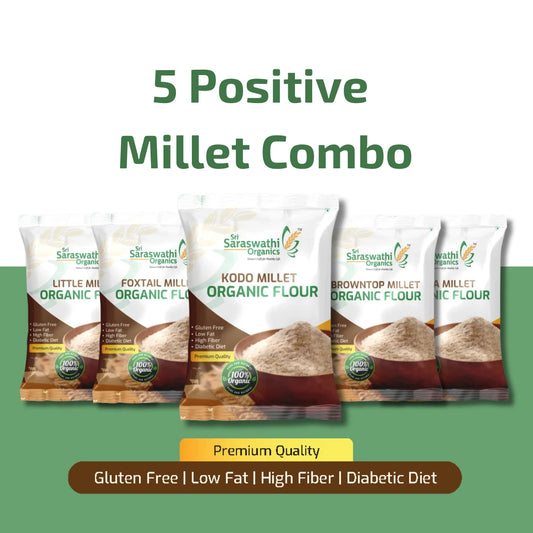
Looking for more ways to enjoy millets? Explore our range of millet products and discover convenient options for everyday cooking.
Unpolished Kodo Millet: What Does It Mean?
When buying kodo millet, you may come across terms such as unpolished kodo millet, polished millet and processed millet.
Dehulling is necessary to remove the inedible outer husk. However, excessive polishing can remove parts of the grain's outer layers along with some naturally occurring nutrients and fibre.
Choosing unpolished kodo millet can therefore be one way to stay closer to the whole grain.
At Sri Saraswathi Organics, our millets are organic certified and unpolished, while being thoroughly cleaned and packed for convenient everyday cooking.
🌾 Why Choose Unpolished Kodo Millet?
Closer to the whole grain: Unpolished kodo millet retains more of the grain's natural outer layers, including dietary fibre and naturally occurring nutrients, while retaining its characteristic colour and texture.
How to Buy Kodo Millet Online
If you are planning to buy kodo millet online, look beyond the product name.
Before purchasing, check:
- Whether the kodo millet is polished or unpolished
- Whether it is organic certified, if organic certification is important to you
- Cleaning and processing information
- Packaging and storage instructions
- Source and manufacturer details
- Product freshness
Explore Related Products:
Frequently Asked Questions:
Is Kodo Millet Gluten-Free?
Is Unpolished Kodo Millet Better?
What Can I Make With Kodo Millet?


Offers and Updates
Get updates on our products, tips for healthy living, and special offers straight to your inbox.
