


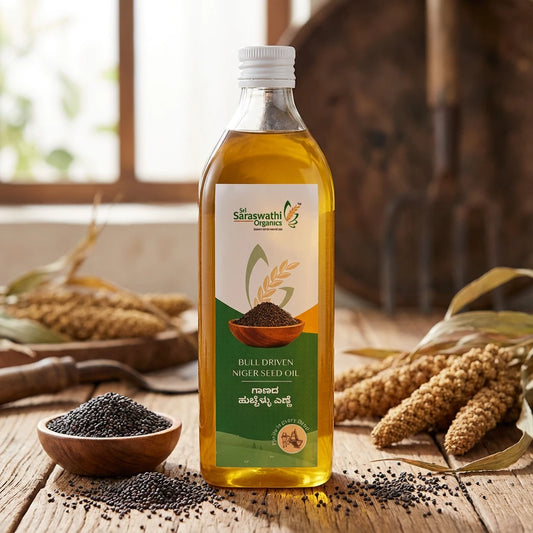
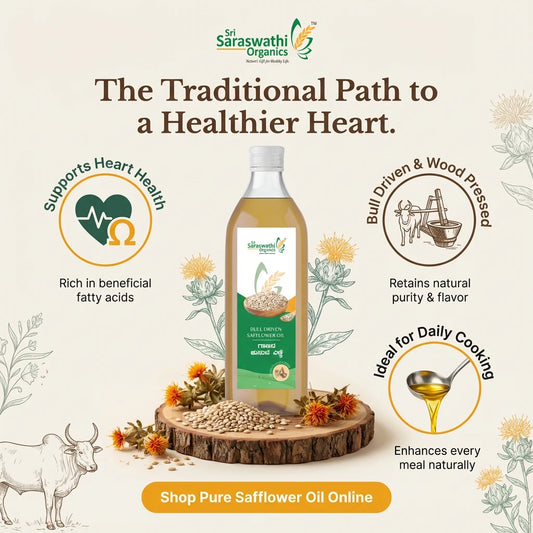
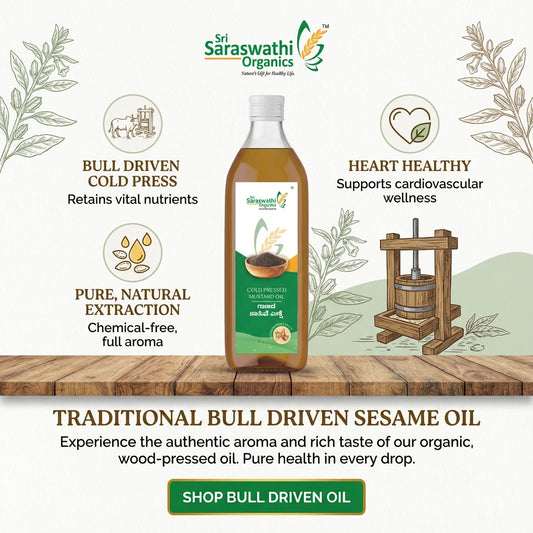
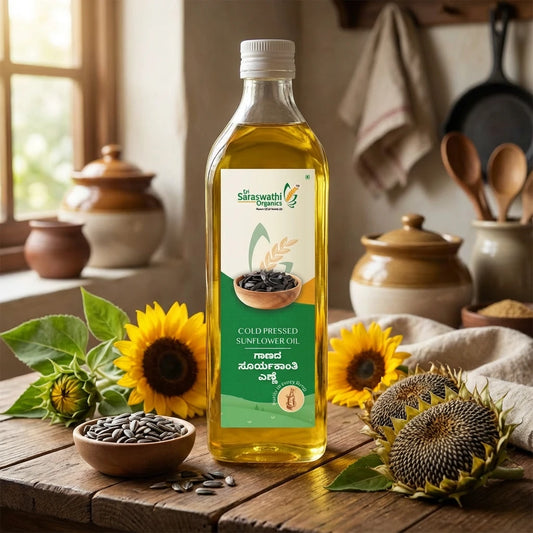
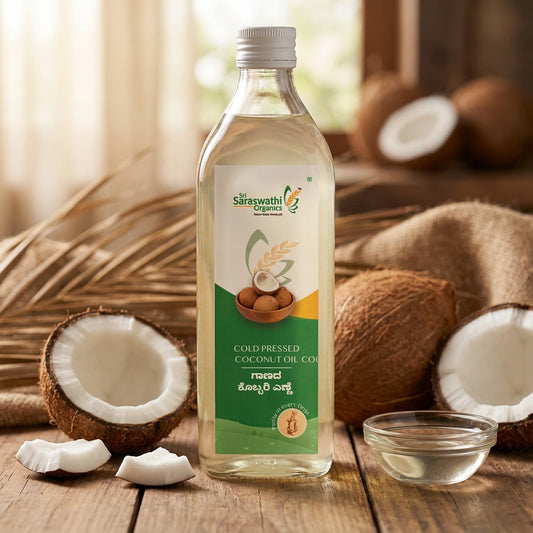
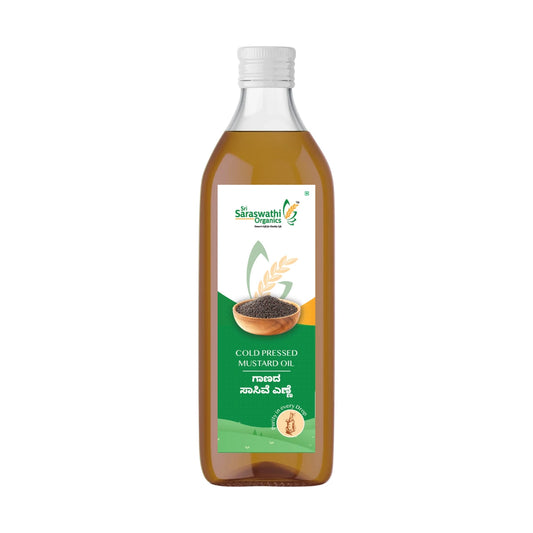
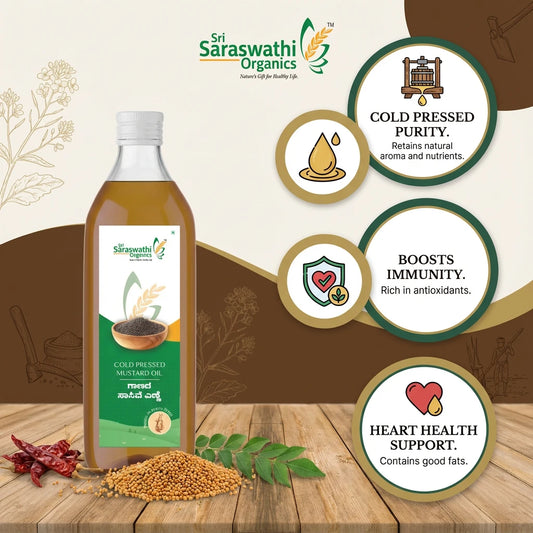
Refined oils are processed at 200°C+ and treated with chemicals like Hexane. Cold pressed mustard oil is extracted without heat or chemicals, keeping all the heart-healthy fats and vitamins intact.
When choosing a cooking oil, many Indian households look for something that brings together traditional flavour, versatility and a naturally distinctive character. Mustard oil, also known as sarson oil, sarson ka tel or kaduku oil in different parts of India, has been a familiar part of regional cooking for generations.
Made from mustard seeds, mustard oil is known for its bold aroma, sharp flavour and naturally occurring unsaturated fatty acids. It is widely used for cooking, tempering, frying and pickling, while mustard oil for hair and skin has also been part of traditional household practices.
But what makes mustard oil different from other cooking oils? What is cold pressed mustard oil, and how does traditional bull-driven wood pressing differ from modern mechanical extraction?
In this guide, we'll explore mustard oil benefits, nutrition, cooking uses, hair and skin applications, while taking a closer look at cold pressed mustard oil and bull-driven wood pressed mustard oil.
Explore Our Mustard Oils
Choose between cold-pressed low-heat extraction and traditional bull-driven wood pressing.
Cold Pressed Mustard Oil
Made from farm-fresh mustard seeds using low-heat mechanical extraction, with its bold aroma and natural character retained.
Explore Cold Pressed Mustard Oil →Bull-Driven Wood Pressed Mustard Oil
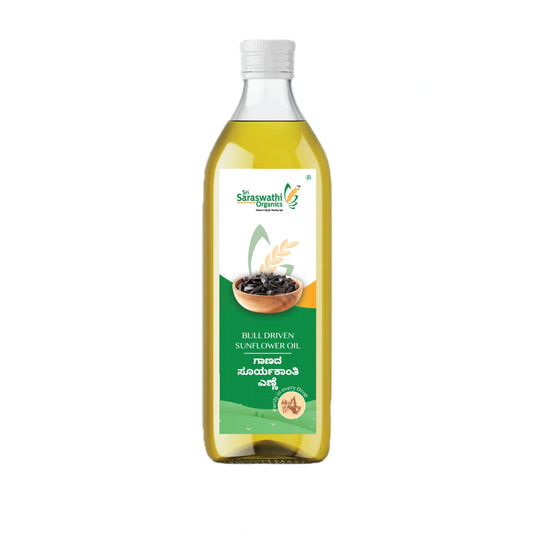
Traditionally extracted in a wooden ghani powered by bulls at a slow pace, creating a distinctive mustard oil with an authentic aroma and flavour.
Explore Bull-Driven Mustard Oil →What Is Mustard Oil?
Mustard oil is extracted from the seeds of mustard plants belonging to the Brassica family. In India, mustard oil is commonly associated with mustard varieties such as Brassica juncea and is traditionally used across many regional cuisines.
The oil has a distinctive golden to brownish colour, depending on the seed variety and processing method. Its most recognisable feature is its strong, pungent aroma and warm, sharp taste.
Mustard oil contains a mixture of saturated and unsaturated fatty acids, including monounsaturated and polyunsaturated fats. Its fatty-acid composition can vary depending on the mustard variety, growing conditions and processing method.
🌿 Did You Know?
Mustard oil for cooking is a favourite among chefs because of its exceptionally high smoke point (approx 250°C). This means it doesn't break down into harmful toxins even during deep frying or high-heat tempering (tadka).
Mustard Oil Names in Different Indian Languages
Mustard oil is known by different names depending on the region. Knowing these names can also make it easier to identify the oil when shopping locally or searching online.
| Language | Mustard Oil Name |
|---|---|
| Hindi | सरसों का तेल (Sarson Ka Tel) |
| Kannada | ಸಾಸಿವೆ ಎಣ್ಣೆ (Sasive Enne) |
| Telugu | ఆవనూనె (Aavala Nune / Avanune) |
| Tamil | கடுகு எண்ணெய் (Kadugu Ennai) |
| Malayalam | കടുകെണ്ണ (Kadugenna) |
| Bengali | সরিষার তেল / সর্ষের তেল (Sorishar Tel / Sorsher Tel) |
| Punjabi | ਸਰ੍ਹੋਂ ਦਾ ਤੇਲ (Sarson Da Tel) |
| Marathi | मोहरीचे तेल (Mohariche Tel) |
Mustard Oil Nutrition
The true advantage of mustard oil lies in its sophisticated fatty-acid composition and the presence of unique bioactive plant compounds. When extracted through kachi ghani or bull-driven methods, these delicate nutrients remain bioavailable and active. Unlike refined oils that are stripped of their character, pure mustard oil offers a complex nutritional matrix:
1. A Heart-Healthy Fatty Acid Balance
Mustard oil is primarily composed of unsaturated fats, which are essential for maintaining a balanced internal environment.
-
Monounsaturated Fatty Acids (MUFA): A dominant component of mustard oil’s profile, MUFAs are widely recognized for their ability to support cardiovascular health and maintain healthy cholesterol levels.
-
Polyunsaturated Fatty Acids (PUFA): Mustard oil is a rare plant source that provides a beneficial ratio of Omega-3 (Alpha-linolenic acid/ALA) and Omega-6 (Linoleic acid). These are essential fats that the body cannot produce on its own, vital for brain function and cellular repair.
-
Low Saturated Fats: In most mustard varieties, saturated fatty acids are present in much smaller proportions than the unsaturated fraction, making it a preferred choice for heart-conscious kitchens.
2. Vitamin E: Nature’s Protective Antioxidant
Naturally present in cold pressed mustard oil, Vitamin E is a powerful fat-soluble antioxidant. It plays a critical role in protecting the body from oxidative stress and supporting the integrity of your skin and immune system.
3. Glucosinolates & Allyl Isothiocyanate (The "Pungency" Secret)
The characteristic "zing" or pungent aroma of sarson ka tel isn't just about flavor—it's about biology.
-
Glucosinolates: These are naturally occurring plant compounds found in mustard seeds that contribute to the plant's defense system.
-
Allyl Isothiocyanate: During the slow-press extraction, glucosinolates are converted into Allyl Isothiocyanate. This potent compound is responsible for the oil’s powerful antimicrobial and anti-fungal properties.
A note about composition: Mustard oil can differ considerably depending on the mustard species, cultivar and processing method. For this reason, fatty-acid values should be taken from the product's laboratory or nutrition information rather than assumed to be identical for every mustard oil.
Mustard Oil Benefits
1. Mustard Oil for Hair Growth: The benefits of mustard seed oil for hair have been documented for millennia. Because it is a natural stimulant, massaging mustard oil for hair improves blood circulation in the scalp. Its anti-fungal properties help manage dandruff, while the fatty acids nourish the roots, making it a top choice for hair care.
2. Heart Health & Cholesterol: Rich in MUFA and Alpha-linolenic acid, pure mustard oil helps maintain a healthy balance of cholesterol. It supports the cardiovascular system by reducing the risk of plaque buildup in the arteries.
3. Benefits of Mustard Oil for Skin: Mustard oil is a natural disinfectant. The benefits of mustard oil for skin include acting as a natural cleanser, lightening dark spots, and providing a protective barrier against environmental pollutants.
4. Respiratory Relief: One traditional use of mustard oil is for respiratory health. Rubbing warm sarson oil on the chest or inhaling its steam can help clear congestion and soothe the respiratory tract during colds.
5. Versatile for Everyday Cooking: Mustard oil can be used for several cooking applications, including sautéing, tempering, roasting, frying and traditional pickle preparation. Its bold flavour means that a relatively small amount can contribute a noticeable character to a dish.
🌱 Did You Know?
Ancient Roots: Mustard has been cultivated in India since the Indus Valley Civilization. It was traditionally used not just as food, but as a "natural heater" for the body during harsh winters.
Mustard Oil for Cooking: How to Use It
Mustard oil is particularly popular in North, East and parts of Northeast India, where its distinctive aroma is an important part of traditional cuisine. It can also be used in other Indian kitchens when you want a stronger, more robust flavour.
- Tempering and Tadka: Heat mustard oil and add mustard seeds, cumin, curry leaves or other spices to build a fragrant base for dals and curries.
- Stir-Frying: Use mustard oil for vegetables, paneer and other savoury preparations where its bold flavour complements the ingredients.
- Roasting: A small amount can be tossed with vegetables before roasting to add depth and aroma.
- Frying: Mustard oil is traditionally used for frying and deep-frying in many regional cuisines.
- Pickles: Mustard oil is a traditional ingredient in many Indian pickles, where its pungent aroma complements spices and other ingredients.
- Marinades: It can be combined with spices and other ingredients to create marinades for savoury dishes.
🌿 Tip for Everyday Oil Balance
Use oils in moderation and rotate them. Instead of depending on a single cooking oil for every meal, you can include different oils such as mustard, groundnut, sesame, safflower, sunflower and coconut oil as part of a varied diet.
Mustard Oil for Hair
Mustard oil for hair has a long history in traditional Indian hair-care routines. It is commonly used as a scalp and hair massage oil because of its rich texture and warming feel.
How Mustard Oil Is Traditionally Used for Hair
- Pre-wash oiling: Apply a small amount to the scalp and hair lengths before washing.
- Scalp massage: A gentle massage can help distribute the oil evenly and provide a warming, relaxing sensation.
- Dry hair care: The oil can help coat and condition dry hair, leaving it feeling softer.
- Traditional hair routines: Mustard oil is often combined with other household ingredients in regional hair-care practices.
Can mustard oil make hair grow faster? There is not enough strong clinical evidence to say that mustard oil directly stimulates hair growth. It is better to describe its role as a traditional hair-conditioning and massage oil rather than a proven hair-growth treatment.
Benefits of Mustard Oil for Skin
Mustard oil has traditionally been used for body massage in several Indian households, particularly during colder months. Its rich texture and warming sensation make it part of some traditional massage practices.
- Traditional Body Massage: Mustard oil can be used as a massage oil when suitable for your skin. The act of massage itself can provide a soothing and relaxing experience.
- Helps Condition Dry Skin: Like other plant oils, mustard oil can form an oily layer on the skin that helps reduce moisture loss. However, it is not suitable for everyone, especially people with sensitive or reactive skin.
- Naturally Rich in Fatty Acids: Its fatty-acid content contributes to the emollient character of the oil, which is one reason it has traditionally been used in body-care routines.
Skin-care caution: Mustard oil contains pungent compounds that may irritate sensitive skin. Patch-test before wider use, avoid applying it to broken or irritated skin, and discontinue use if burning, redness or irritation occurs. It should not be assumed to be suitable for babies or people with eczema without professional advice.
Why Extraction Matters: Cold Pressed vs. Bull-Driven Wood Pressed Mustard Oil
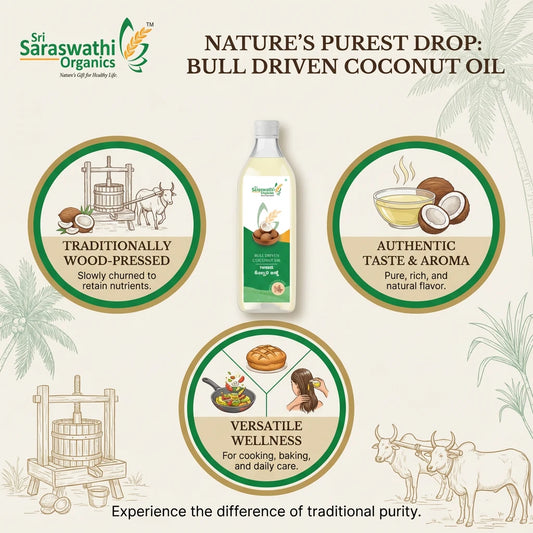
The extraction method can influence the way mustard oil is produced, including its aroma, flavour and overall character. At Sri Saraswathi Organics, We offer two paths to purity:
1. Cold Pressed Mustard Oil
Our cold pressed mustard oil is extracted using mechanical pressure under controlled low-temperature conditions at 18 RPM. The process is designed to minimise heat generation during pressing, with the temperature maintained below 40°C. This method combines modern mechanical extraction with careful temperature control, making it suitable for everyday cooking and traditional uses such as pickling.
-
Best for: Daily cooking, sautéing, and families looking for a high-quality, budget-friendly transition from refined oils.
-
The Result: A clean, nutrient-dense oil that retains its natural vitamins and minerals.
2. Bull-Driven Wood Pressed Mustard Oil
Our bull-driven mustard oil is extracted using a traditional Baage Mara (wooden ghani) powered by bulls. The ghani operates at a slow rotation of around 2–3 RPM, allowing the mustard seeds to be crushed and pressed gradually.
-
Why it’s superior: Because there is no motor, there is zero frictional heat. The wood of the Baage Mara also absorbs any minimal heat generated, acting as a natural temperature regulator.
-
Best for: Those who want the absolute purest form of nutrition and are committed to a zero-compromise wellness lifestyle.
How to Store Mustard Oil
Proper storage helps maintain the freshness, aroma and quality of mustard oil.
- Store the bottle in a cool, dry place.
- Keep it away from direct sunlight and excessive heat.
- Close the container tightly after every use to minimise exposure to air.
- For bulk quantities, transfer the oil into a clean, airtight steel/glass container
- Follow the storage instructions and best-before date provided on the product packaging.
Why Choose Sri Saraswathi Organics Mustard Oil?
At Sri Saraswathi Organics, we focus not only on the mustard seeds but also on the way the oil is extracted and handled.
Farm-Fresh Mustard Seeds: Our mustard oils are made from carefully selected mustard seeds.
Low-Heat Extraction: Our cold pressed mustard oil is extracted under controlled low-heat conditions, with the temperature maintained below 40°C.
Two Extraction Choices: Choose between Cold Pressed Mustard Oil and our traditional Bull-Driven Mustard Oil.
Traditional Wood Pressing: Our bull-driven mustard oil is slowly extracted in a traditional wooden ghani powered by bulls.
No Added Colours or Preservatives: Our mustard oil products are made without added colours or preservatives, allowing the natural aroma and character of mustard oil to remain prominent.
🌿 From Our Kitchen to Yours
Explore the world of traditional, thoughtfully sourced foods at Sri Saraswathi Organics — from unpolished millets and millet foods to cold pressed and wood pressed oils and more. Explore all our collections →


