




Millets can be used in upma, pongal, khichdi, pulao, dosa, idli, porridge and many other preparations. Ragi, jowar and bajra can also be ground into flour for rotis and other traditional dishes.

What Are Millets? Types, Benefits, Nutrition & Uses

⏱️ 6 min read
Millets were once an everyday part of Indian kitchens. Today, traditional grains like ragi, jowar, bajra, foxtail millet and little millet are finding their way back onto our plates as more people look for diverse, less-refined grains.
But what are millets, and what makes them worth adding to your everyday meals? Let’s explore the different types of millets, their nutrition, potential health benefits and why choosing unpolished millets can matter.
What Are Millets?
Millets are a diverse group of small-grained cereal crops belonging to the grass family. They have been cultivated for thousands of years, particularly across Asia and Africa, and are well adapted to many dryland growing conditions.
Unlike rice or wheat, the word millet does not refer to just one grain. It includes several different crops, including foxtail millet, little millet, barnyard millet, browntop millet, kodo millet, finger millet and pearl millet. Sorghum is also commonly grouped with millets in Indian agricultural and food discussions.
India has a rich tradition of millet consumption. Ragi (finger millet), bajra (pearl millet) and jowar (sorghum) remain familiar staples in different regions, while small millets such as foxtail, kodo, little and barnyard millet are increasingly returning to everyday kitchens.
Millets are interesting from both nutritional and agricultural perspectives. Different varieties can provide dietary fibre, protein and minerals, while many millet crops can grow under comparatively challenging climatic conditions with relatively low water requirements.
Different Types of Millets
There are many different types of millets, each with its own flavour, texture, nutritional profile and traditional uses. Here are some of the commonly consumed millets.
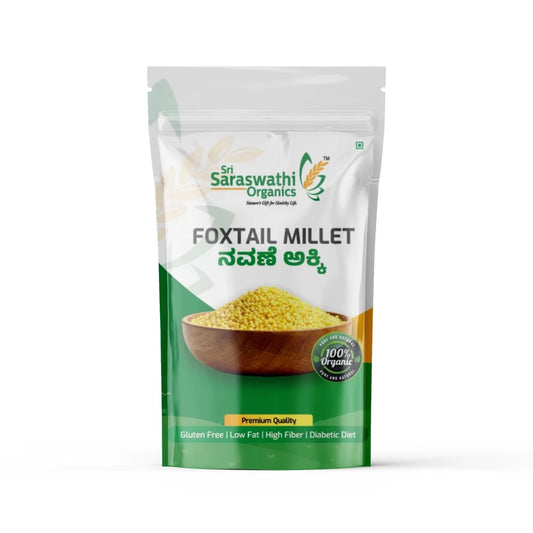
1. Foxtail Millet (Navane / ನವಣೆ)
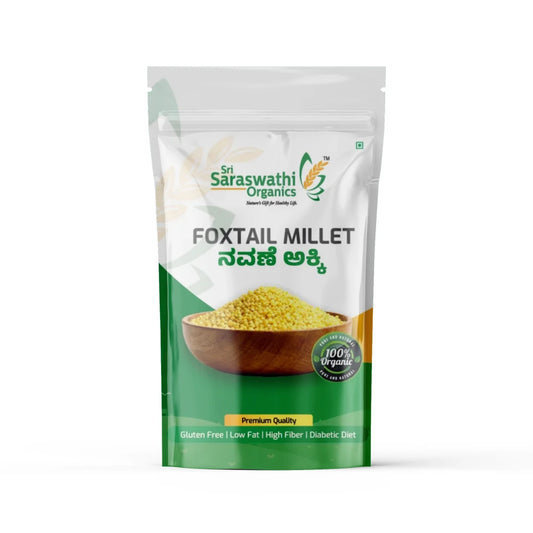
Foxtail millet is a small, oval grain with a pale-yellow to golden colour and smooth appearance. It has a mild, slightly nutty flavour.
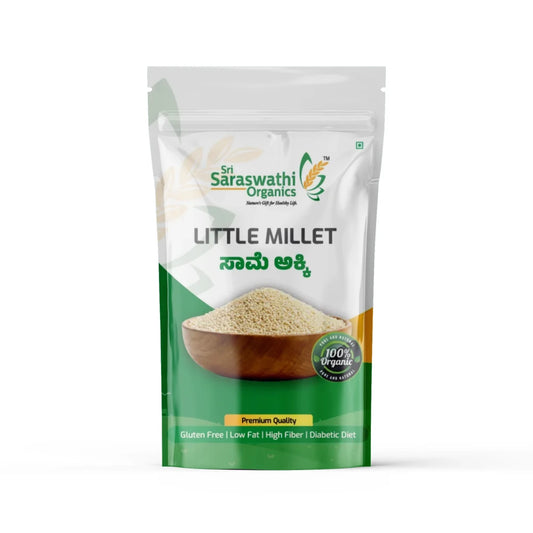
2. Little Millet (Saame / ಸಾಮೆ)
Little millet is a tiny, rounded grain with a cream to off-white colour and smooth appearance. It has a mild, subtle flavour.
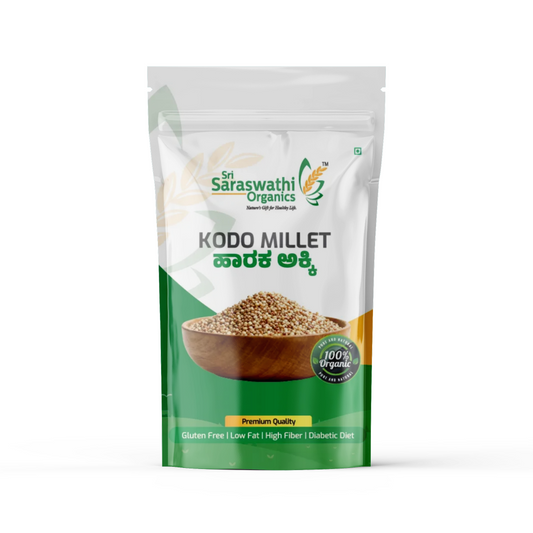
3. Kodo Millet (Haraka / ಹಾರಕ)
Kodo millet is a small, slightly oval grain with a light brown to greyish-brown colour and naturally coarse appearance. It has a mild, earthy flavour.
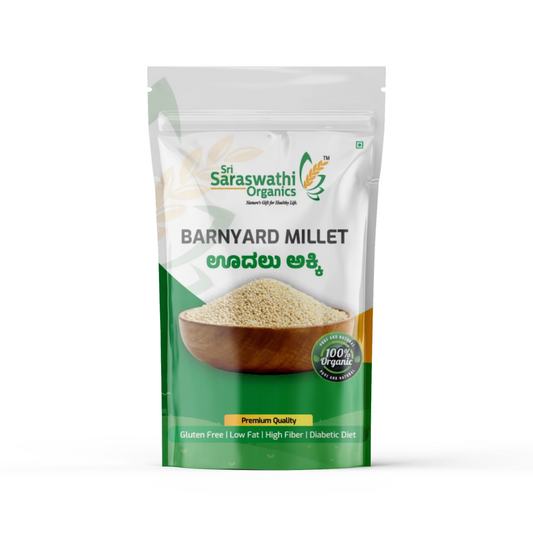
4. Barnyard Millet (Oodalu / ಊದಲು)
Barnyard millet is a tiny, rounded to slightly oval grain with a cream to pale-beige colour and fine appearance. It has a mild, neutral flavour.
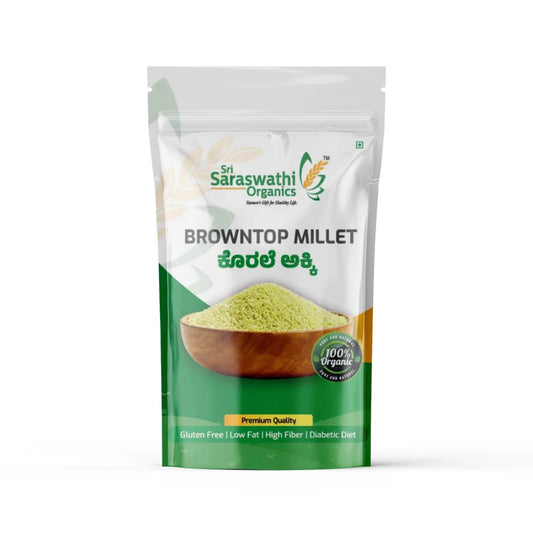
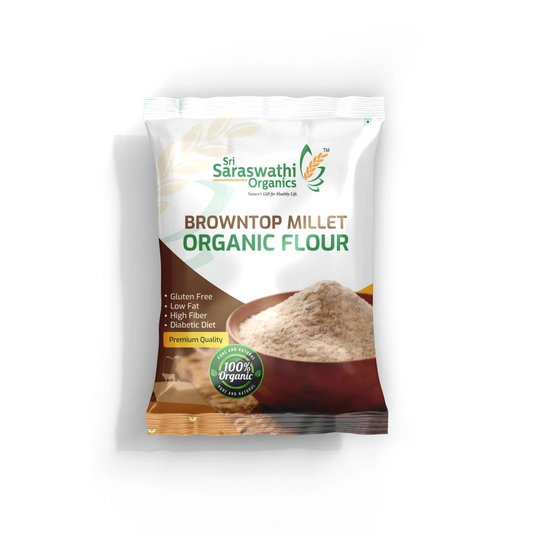
5. Browntop Millet (Korale / ಕೊರಲೆ)
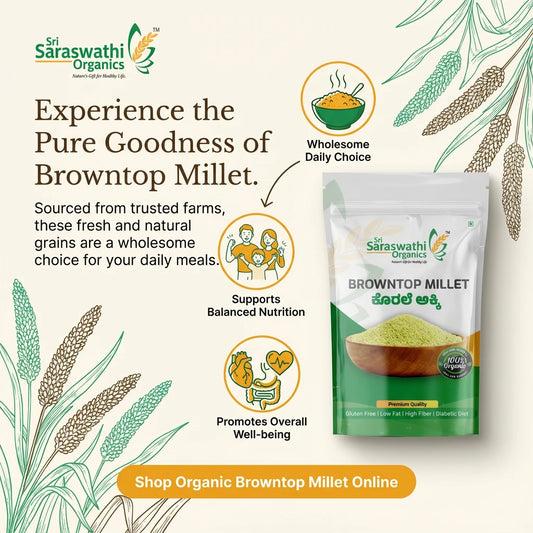
Browntop millet is a small, rounded grain with a light to greenish-brown colour and slightly coarse appearance. It has a mild, earthy flavour.
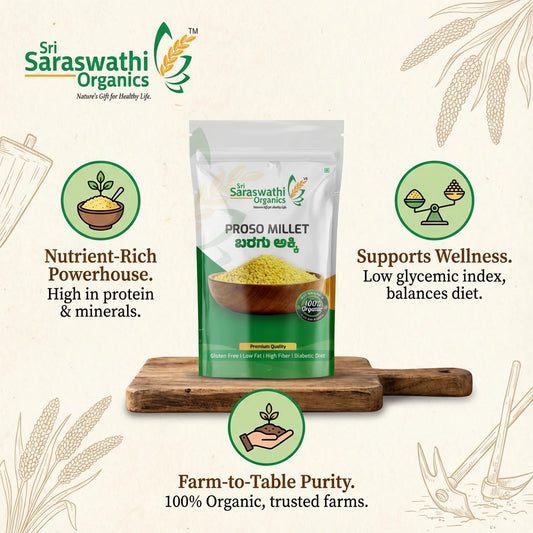
6. Proso Millet (Baragu / ಬರಗು)
Proso millet is a small, rounded grain with a cream to golden-yellow colour and smooth appearance. It has a mild, slightly nutty flavour
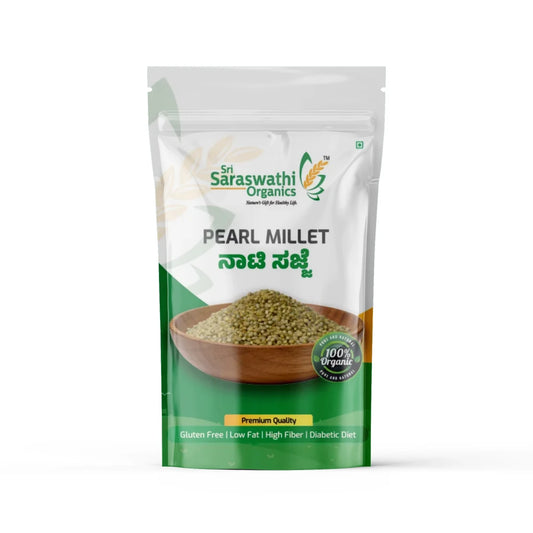
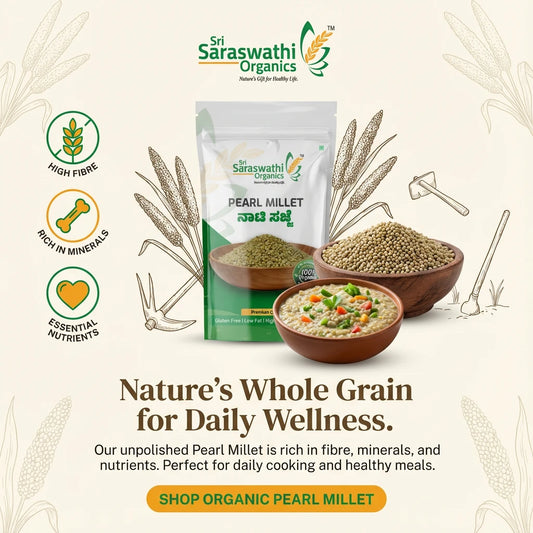
7. Pearl Millet (Sajje / ಸಜ್ಜೆ)
Pearl millet has relatively large, round to oval grains ranging from grey and greenish-grey to brown. It has a distinctive earthy and slightly nutty flavour.
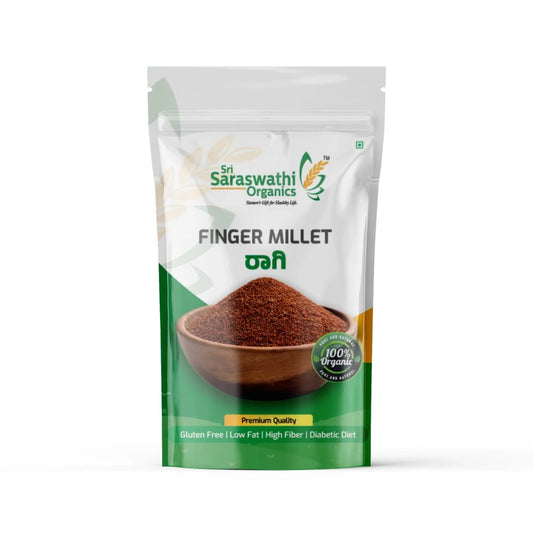
8. Finger Millet (Ragi / ರಾಗಿ)
Finger millet consists of tiny, round grains with a distinctive reddish-brown to dark-brown colour. It has a mild, earthy and slightly nutty flavour.
9. Sorghum (Jola / ಜೋಳ)
Sorghum has relatively large, smooth, round grains that are commonly creamy white, although the colour can vary by variety. It has a mild, slightly earthy flavour..
Millet Nutrition: What Do Millets Contain?
One reason millets have attracted renewed interest is their nutritional diversity. However, there is no single millet nutritional value because each variety has a different nutrient profile.
In general, millet nutrition include:
- Complex carbohydrates that provide energy as part of a balanced meal.
- Dietary fibre, particularly when the grain is less heavily processed.
- Plant-based protein, with amounts varying between millet varieties.
- B vitamins, which play important roles in normal metabolism.
- Minerals such as iron, magnesium, phosphorus and calcium, depending on the variety.
Certain millets stand out for particular nutrients. Finger millet (ragi), for example, is particularly known for its calcium content. Other varieties provide different combinations of fibre, protein and micronutrients.
Rather than searching for one nutritionally “best” millet, rotating different varieties such as foxtail millet, little millet, ragi, jowar, bajra and kodo millet can help introduce greater grain and nutrient diversity into everyday meals.
Potential Health Benefits of Millets
- Source of dietary fibre: Whole and minimally processed millets provide fibre, which supports normal digestion and contribute to satiety.
- Provide useful nutrients: Different millets provide varying amounts of protein, B vitamins and minerals such as iron, magnesium, phosphorus and calcium.
- Naturally gluten-free: Millets are naturally gluten-free grains, providing additional grain choices for people avoiding gluten.
- Blood-glucose considerations: Research suggests that millets may have a lower glycemic index and support a slower or lower rise in blood sugar.
- Contribute to satisfying meals: Fibre and complex carbohydrates can help make meals more filling. This is one reason millet for weight loss receives attention, although no individual grain causes weight loss on its own.
- Adds grain diversity: Including different millets alongside other grains can make everyday diets more varied rather than depending primarily on only rice or wheat.
How Can Millets Be Used?
Millets are versatile grains that can be easily incorporated into familiar Indian meals. If you're wondering how to eat millets, you can start by using them in dishes you already enjoy.
Small millets such as foxtail, little, kodo and barnyard millet can be used in upma, pongal, khichdi, pulao and other rice-style dishes. Ragi, jowar and bajra are commonly used as flour for rotis, dosa, porridge and other traditional preparations.
Millets can also be used in idli, laddus, snacks and modern dishes such as salads and grain bowls. With a growing variety of millet recipes, these traditional grains can be adapted to both traditional and contemporary cooking.
Polished vs Unpolished Millets: Which Should You Choose?
Millets naturally have a hard, inedible outer husk that must be removed through dehulling before cooking. After dehulling, the grain may undergo additional polishing, resulting in polished, semi-polished or unpolished millets.
Polished millets have more of their outer grain layers removed, giving them a smoother and lighter appearance. However, heavier polishing can also reduce some of the naturally occurring fibre and micronutrients found in these layers.
Unpolished millets are cleaned and dehulled but retain more of their edible outer layers. This means less refinement and better retention of the grain's natural fibre, nutrients, colour and texture. Unpolished millets can therefore look slightly different from highly polished grains. Natural variations in colour and appearance are not necessarily signs of poor quality; they can simply reflect less intensive processing.
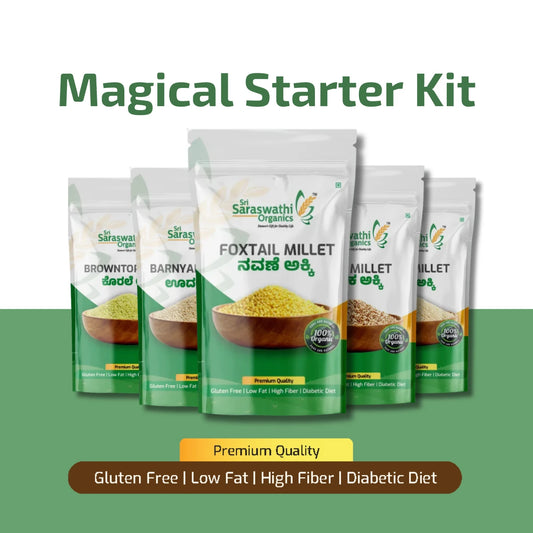
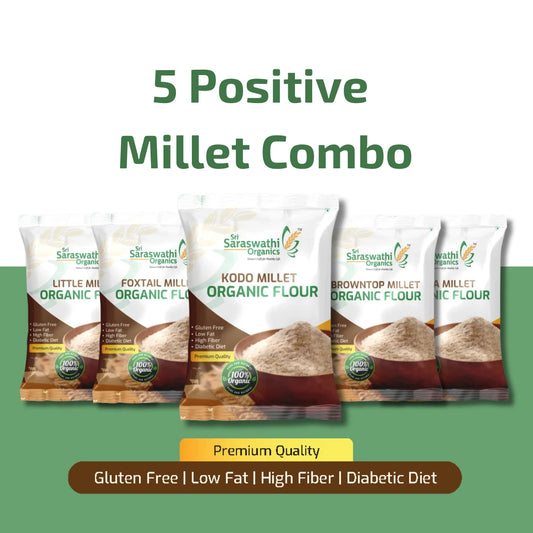
Looking to buy millets online? Explore Sri Saraswathi Organics' range of ready-to-cook organic unpolished millets for your everyday meals.
Explore Related Products:
Frequently Asked Questions:
How to eat millets?
Do millets need to be soaked before cooking?
Can we eat millets every day?


Offers and Updates
Get updates on our products, tips for healthy living, and special offers straight to your inbox.
