



Cold-pressed oil typically costs more because mechanical extraction produces a lower oil yield. While industrial methods can recover a much higher proportion of oil from seeds, mechanical pressing may yield around 30–40%, depending on the seed and process. More seeds are therefore needed to produce the same quantity of oil. The price reflects this higher raw-material requirement and the traditional mechanical extraction process.

Cold Pressed Oil vs Refined Oil: Which is Better for Your Health?

⏱️ 8 min read
In the modern culinary landscape, the choice of cooking oil has evolved from a simple grocery decision into a fundamental health consideration. For decades, the supermarket shelves have been dominated by "Refined" oils, marketed for their clarity and high smoke points. However, as we witness a global shift toward whole foods and transparent sourcing, Cold Pressed oil has emerged as the gold standard for health-conscious households.
Understanding the difference between cold pressed oil and refined oil requires looking beyond the label and into the chemistry of extraction. The way an oil is pulled from a seed determines not only its flavour and aroma but its very molecular integrity and nutrition.
What Is Cold Pressed Oil?
Cold pressed oil is produced through a mechanical extraction process in which oil seeds such as groundnut, coconut, or sesame are crushed and pressed at relatively low temperatures, typically below 40°C. Unlike other extraction methods that rely on external heat, cold pressing focuses on mechanical pressure while limiting heat generation during the process.
Because the oil is not subjected to refining, it retains many of the naturally occurring compounds present in the seed, including its characteristic flavour, aroma, colour, and naturally occurring antioxidants. After extraction, the oil is typically filtered or allowed to settle to remove larger particles, resulting in an oil that remains closer to its original form.
💡 Did You Know?
Cold pressing relies entirely on mechanical pressure to extract oil from the seeds. At Sri Saraswathi Organics, our cold-pressing process operates at a low temperature below 40°C and at a controlled speed of around 18 RPM.
Because mechanical pressing does not extract every last drop of oil from the seeds, the typical oil yield is around 30–40%, depending on the type, quality and moisture content of the seed.
What Is Refined Oil?
Refined oil is an oil that has undergone multiple industrial processing stages to improve its consistency, colour, flavour, yield, and shelf life. The process begins with solvent extraction, where hexane is used to extract oil from the seeds, allowing manufacturers to recover a high proportion of the available oil.
The extracted oil then undergoes further refining processes such as degumming, neutralization, bleaching, and deodorization. These stages may involve heat and processing agents to remove unwanted compounds, pigments, odours, and other components. The result is an oil with a lighter colour, more neutral taste, longer shelf life, and typically a higher smoke point, making many refined oils suitable for high-temperature cooking and frying.
While refining makes oil look clear and consistent, it also strips away many of the natural antioxidants found in the original seed. At the end of the day, how healthy an oil is depends on how it was made and how you use it in your kitchen. For example, using highly processed oils or reheating oil over and over for deep-frying can lead to unwanted health issues. If you prefer food in its most natural state, unrefined oils are a great choice. Because they are mechanically pressed without heavy processing, they keep all the original nutrients and flavour that nature intended.
Cold Pressed vs. Refined Oil: At a Glance
When evaluating the difference between cold pressed and refined oil, we can categorize the distinctions into four key pillars:
| Feature | Cold Pressed (Unrefined) | Refined (Processed) |
|---|---|---|
| Extraction Mechanism | Mechanical pressure; temperature below 40°C | Chemical solvents (Hexane) & high heat (up to 200°C) |
| Nutritional Integrity | Packed with natural Vitamin E, minerals, and antioxidants. | Minimal; Most nutrients are destroyed by the high-heat process. |
| Purity | 100% natural and free from any added chemicals. | Can contain traces of chemical solvents and preservatives. |
| Sensory Profile | Robust, nutty aroma and rich flavour. | Neutral, odourless, and colourless. |
How Is Cold Pressed Oil Made?
Modern cold press oil machines use mechanical pressure to extract oil from seeds while keeping the extraction temperature relatively low. Food-grade stainless steel equipment also allows for hygienic and controlled processing.
At Sri Saraswathi Organics, we use mechanical cold pressing to extract oil without chemical solvents. By carefully controlling the extraction process, we aim to preserve the oil's natural aroma, colour, flavour and naturally occurring fatty acids.
1. Selection and Cleaning
The oilseeds are carefully selected, and impurities, foreign materials, and damaged or spoiled seeds are removed before extraction. The cleaned seeds are then prepared for pressing.
2. Mechanical Pressing
The prepared seeds are fed into a mechanical press, where pressure is applied to crush the seeds and release the oil. During the process, a small amount of water may be added to facilitate oil release. The extraction is carried out while keeping the temperature below 40°C, without using chemical solvents such as hexane.
3. Oil and Press Cake Separation
The extracted mixture is allowed to separate, with the oil collected separately from the remaining solid seed material, commonly referred to as oil cake or press cake.
4. Natural Drying
After separation, the extracted oil may contain residual moisture from the extraction process. It is gently sun-dried to allow the moisture to evaporate naturally before further filtration.
5. Filtration
The oil is then filtered to remove fine particles from the seeds, resulting in a cleaner oil while retaining its natural characteristics.
💡 Did You Know?
The oil cake left after mechanical extraction is not discarded. It can be used as nutritious cattle feed, providing valuable nutrients to cows. This helps us make better use of the seed and minimize waste throughout the oil-making process.
How Is Refined Oil Made?
Refined oil goes through several additional processing stages. The exact process can vary by oil and manufacturer, but a typical industrial process involves the following steps:
1. Cleaning and Preparation of Seeds
The oilseeds are cleaned and prepared before extraction to remove unwanted materials.
2. Oil Extraction
The prepared seeds are processed to recover the crude oil. Solvent extraction using hexane is commonly used in industrial oil production to improve oil recovery from the seed material.
The resulting crude oil contains the oil along with naturally occurring compounds that need to be removed or modified during subsequent refining.
3. Degumming
The crude oil undergoes degumming, where phospholipids and other gum-forming substances are removed.
4. Neutralization
The oil is treated to reduce free fatty acids and other unwanted components. Depending on the process, alkaline substances may be used during this stage.
5. Bleaching
The oil is treated with adsorbent materials to remove pigments and other compounds, resulting in a lighter-coloured oil.
Importantly, “bleaching” in oil refining does not mean using household bleach. It refers to a purification step that removes colour compounds from the oil.
6. Deodorization
The oil undergoes deodorization, typically using high temperatures and steam under controlled conditions, to remove volatile compounds responsible for strong odours and flavours.
This produces the neutral-smelling and neutral-tasting oil commonly associated with refined cooking oils.
7. Final Processing and Packaging
After refining, the oil is filtered and prepared for packaging. The resulting product generally has a lighter colour, neutral flavour, longer shelf life and, depending on the oil, a relatively high smoke point, making it suitable for various high-temperature cooking applications.
Which Oil Should You Choose for Your Kitchen?
When deciding between cold pressed and refined oil, the choice goes far beyond just colour and flavour. It is really about how much of nature's original goodness you want to keep in your meals. Because cold-pressed oils are mechanically extracted with very little processing, they retain the natural compounds and antioxidants found in the original seeds. This makes them the ideal choice for anyone looking to eat less-processed, "closer-to-nature" foods.
However, choosing a healthy oil isn't just about the label; it’s also about your cooking habits. To get the best results for your health:
- Focus on the Fats: Aim for oils predominantly rich in healthy unsaturated fats.
- Watch the Heat: Avoid repeatedly reheating oil for deep-frying, as this can break down even the best quality fats.
- Use it Wisely: The quality of the oil matters most when used as part of a balanced, mindful diet.
For everyday cooking, a high-quality, minimally processed oil is a great investment in your wellness. If you value natural flavour, authentic aroma, and the original health characteristics of the seed, unrefined cold-pressed oil is a thoughtful and nutritious choice for your home.
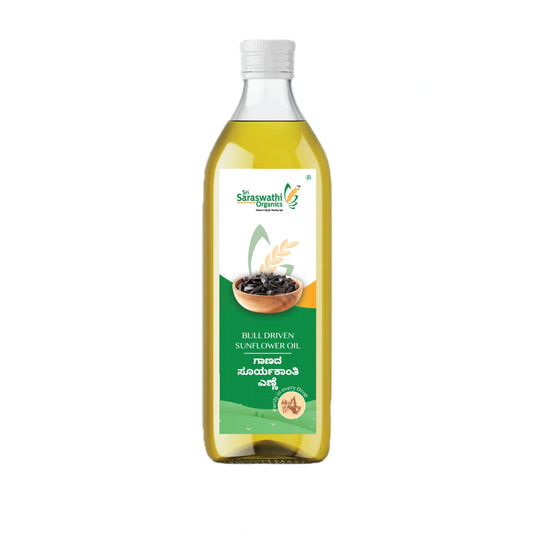
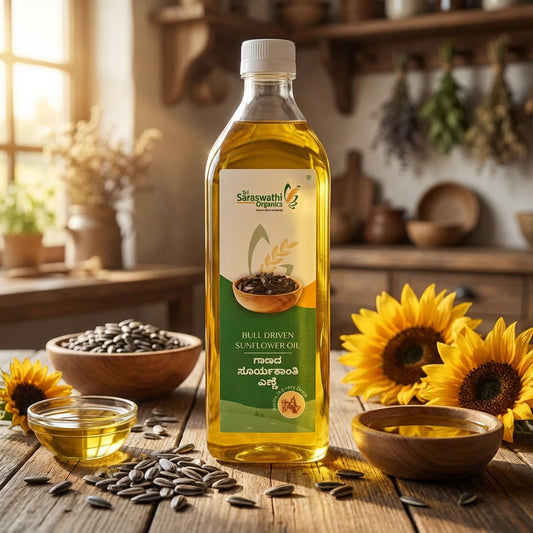
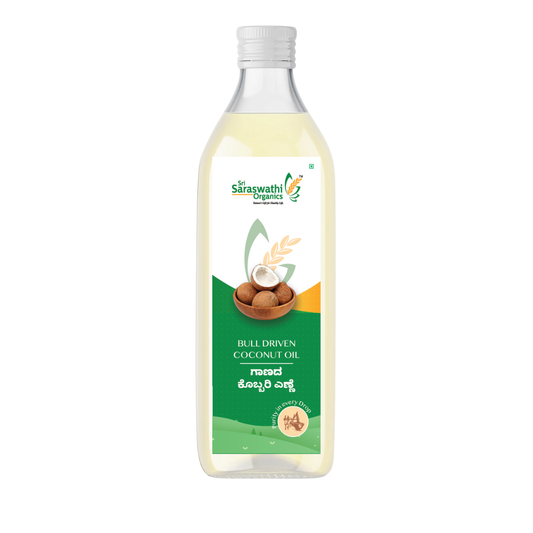
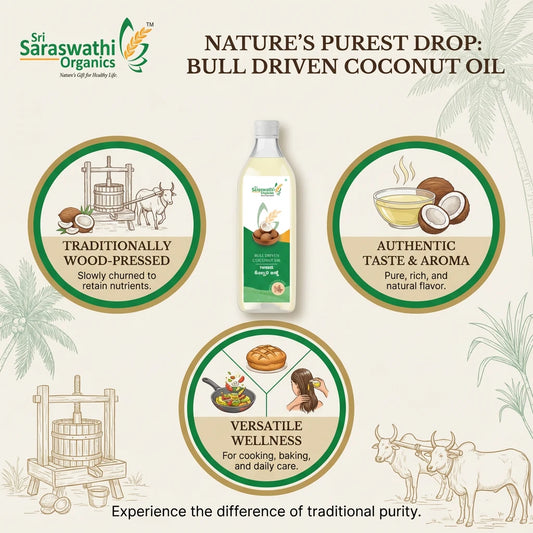
At Sri Saraswathi Organics, we are committed to the traditional method of mechanical extraction. By avoiding harsh chemicals and high heat, we ensure our oils stay true to their source, bringing the natural aroma, rich flavour, and essential nutrients directly from the farm to your table.
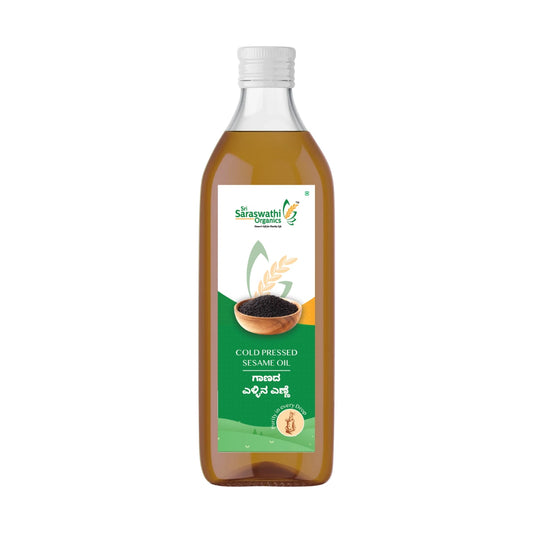
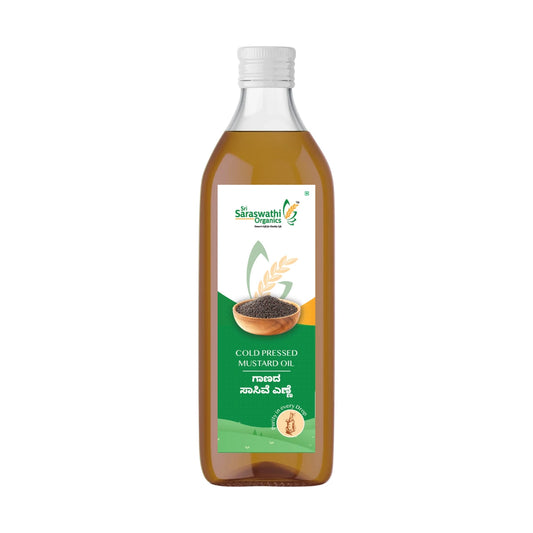
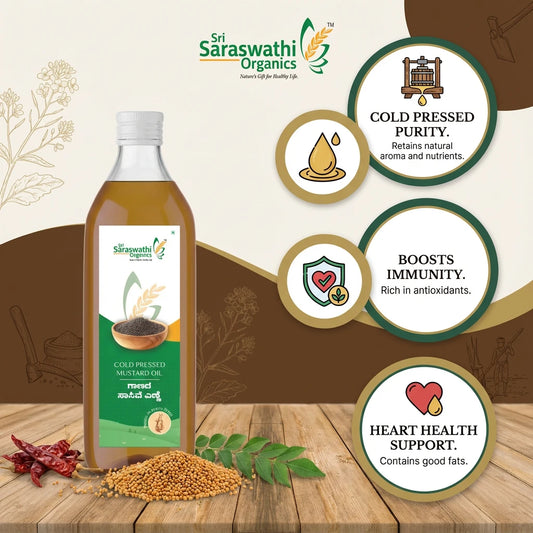
Explore Related Products:
Frequently Asked Questions:
Why is cold-pressed oil typically more expensive?
Is cold pressed oil suitable for everyday cooking?
How should cold pressed oil be stored?


Offers and Updates
Get updates on our products, tips for healthy living, and special offers straight to your inbox.
