

It takes roughly 2.5kg to 3kg of high-quality seeds to produce just one liter of cold pressed oil. Refined oils use chemicals to artificially increase the yield, which is why they are cheaper – but at a cost to your health.

What is Cold Pressed Oil? Meaning & Health Benefits

⏱️ 6 min read
Remember the smell of fresh groundnuts in your grandmother’s kitchen? That rich, earthy aroma didn't come from a fancy bottle; it came from oil that was extracted with care, patience, and zero chemicals. Somewhere along the way, we traded that nutrition for "refined" oils that look clear but are essentially empty.
If you’re looking to bring that health and flavour back to your table, you’ve likely come across the term “cold pressed.” But what is cold pressed oil, and does it actually live up to the hype? Let’s break it down.
The Cold Pressed Oil Meaning
Most modern oils are produced using extreme heat and chemical solvents (like hexane) to squeeze every last drop out of the seed. This process kills the nutrients and strips away the flavour. Cold pressed oil is oil extracted from seeds or nuts using mechanical pressure, without relying on chemical solvents for extraction.
The basic process is simple: Imagine taking a seed and crushing it under a heavy weight at room temperature. No external heat is added. No chemicals are poured in. Because the temperature stays low (below 40°C),the characteristic flavour, aroma and nutrients of the seed stay intact.
Is Cold Pressed Oil Good for Health?
When people ask, is cold pressed oil good for health, they are usually looking for the "why" behind the switch. The answer lies in the biological integrity of the oil. Traditional mechanical extraction preserves the oil's molecular structure, ensuring that the nutrients found in the original seed are delivered to your body without chemical alteration. Rather than being a source of "empty calories", cold-pressed oils provide essential nutrients that support critical physiological functions:
- Vitamin E (Tocopherols): a naturally occurring fat-soluble antioxidant, is essential for protecting cellular membranes from oxidative damage. It plays a significant role in supporting immune function and skin health.
- Phytosterols: These plant-derived compounds are structurally similar to cholesterol. When consumed, they compete with cholesterol for absorption in the digestive tract, naturally assisting in the management of healthy LDL levels.
- Polyphenols: These are bioactive antioxidants known for their anti-inflammatory properties. Regular intake of polyphenols is associated with improved cardiovascular health and a reduced risk of chronic oxidative stress.
- Essential Fatty Acids (Omega-3 and Omega-6): Since the body cannot produce these fats, they must be obtained through the diet. They are fundamental for maintaining brain health, supporting hormone production, and ensuring proper cellular signaling.
While refined oils prioritize shelf-life and high-volume output through chemical processing, cold pressing prioritizes nutritional density. By choosing unrefined oils, you ensure that your diet includes the original vitamins and antioxidants intended by nature.
Choosing the Right Cold Pressed Cooking Oil for Your Culinary Needs
A common misconception in modern health circles is that cold pressed oils are unsuitable for high-heat applications. On the contrary, several traditional oils possess the thermal stability required for various Indian cooking techniques. Choosing the correct cold pressed cooking oil depends largely on the smoke point and the flavour profile of the seed.
Understanding which oil is best suited for specific culinary tasks ensures that you maintain the nutritional integrity of your meals without compromising on safety or taste.
1. Deep Frying and High-Heat Sautéing
For deep-frying and high-temperature cooking, it is essential to use an oil with a high smoke point to prevent the fats from breaking down into harmful compounds.
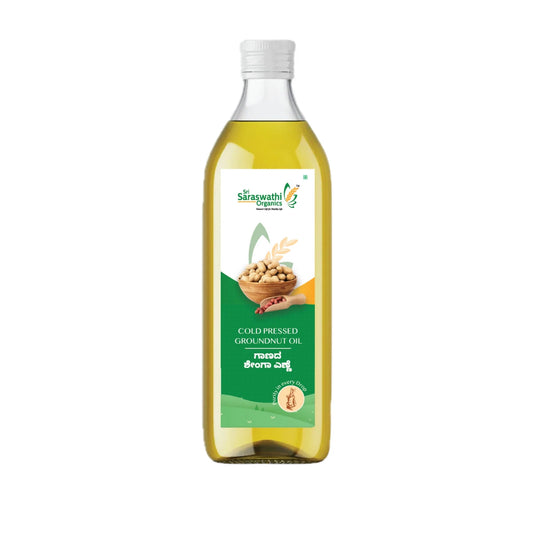
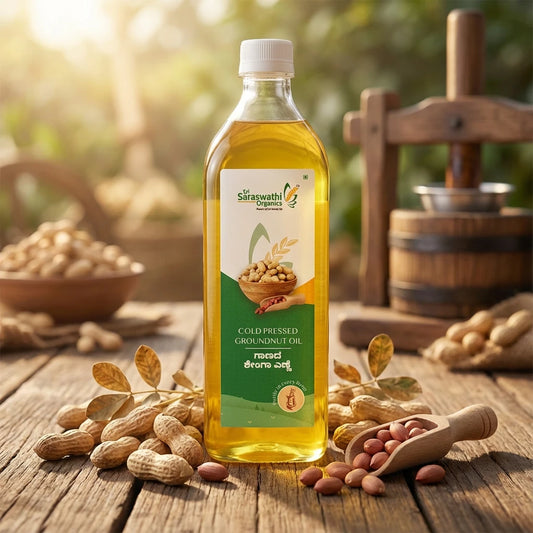
Cold Pressed Groundnut Oil
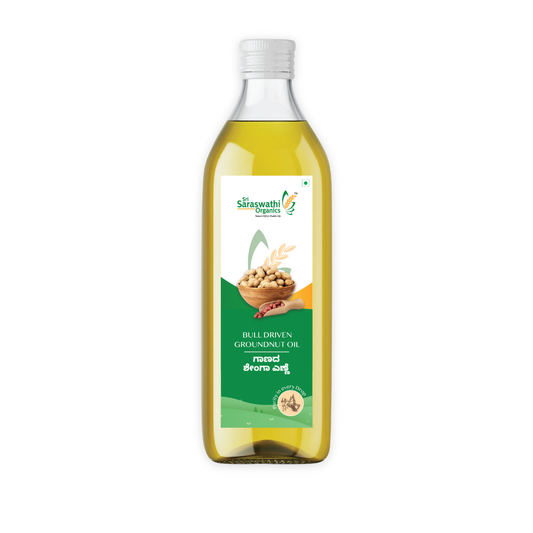
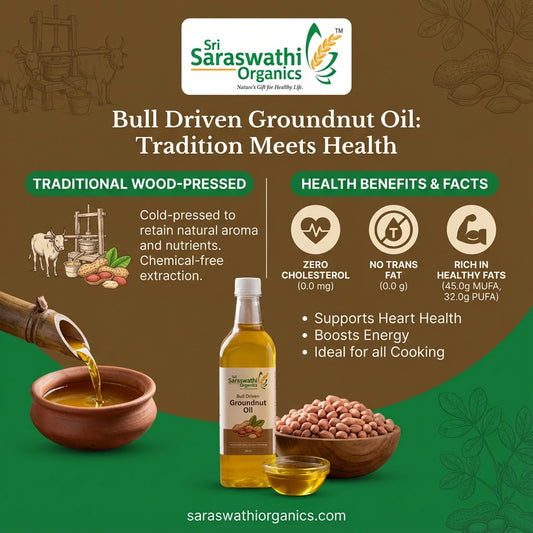
This is perhaps the most versatile cooking oil in the Indian pantry. It has a high smoke point and a neutral, nutty flavour that does not overpower the dish. It is ideal for frying vadas, puris, and stir-frying vegetables.
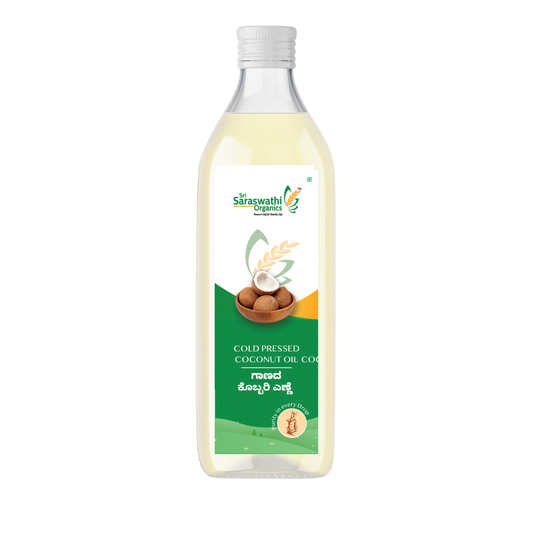
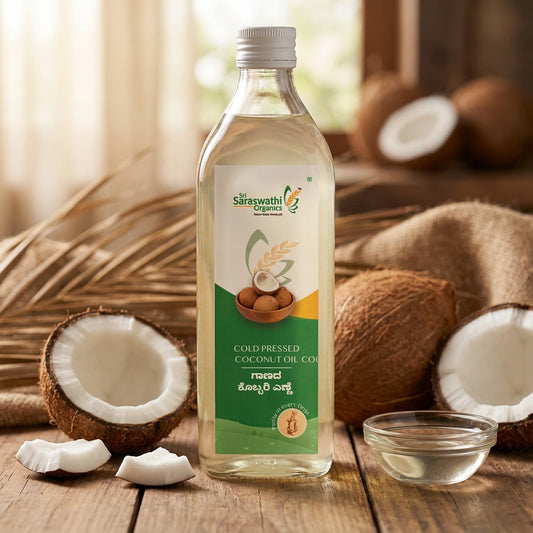
Cold Pressed Coconut Oil
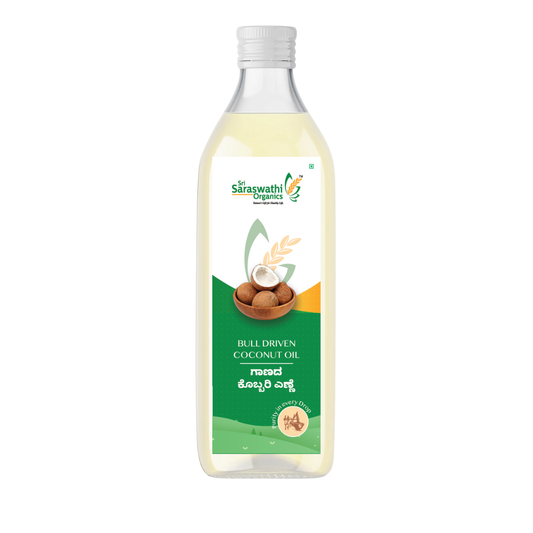
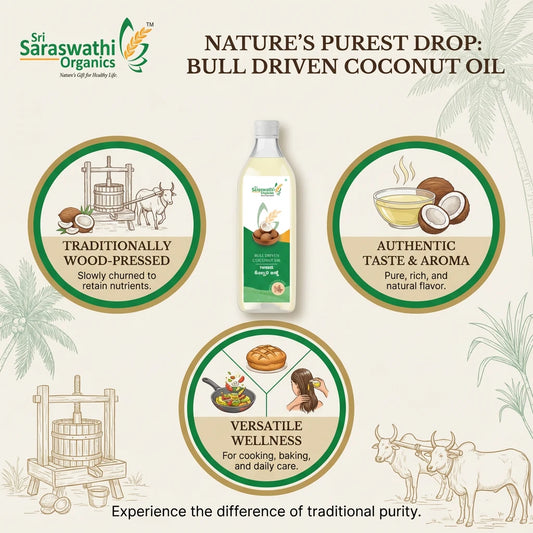
Known for its high saturated fat content, coconut oil is exceptionally stable under heat. It is an excellent choice for deep-frying and is a staple in coastal cuisines for its distinct tropical aroma.
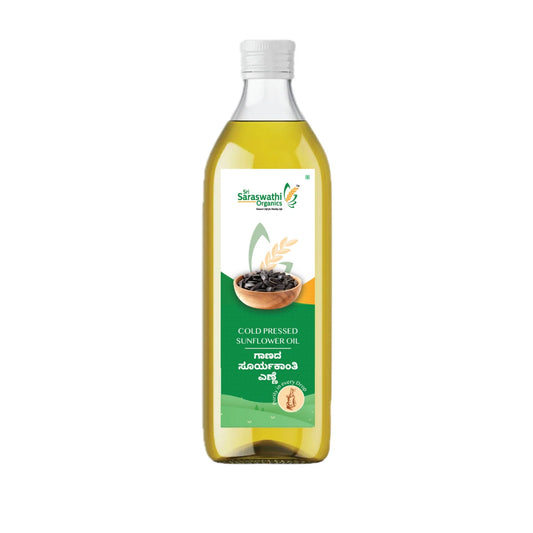
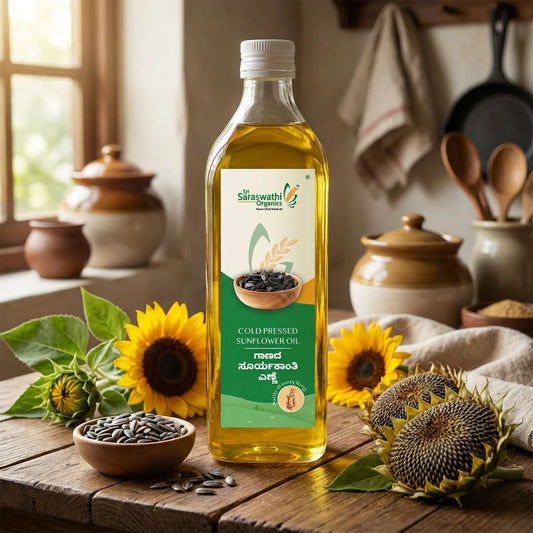
Cold Pressed Sunflower Oil
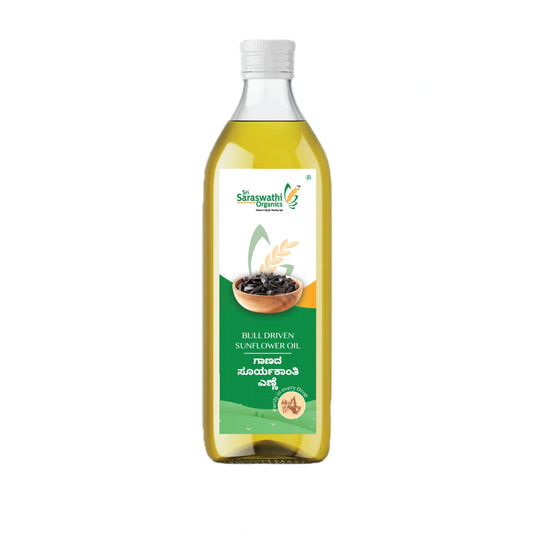
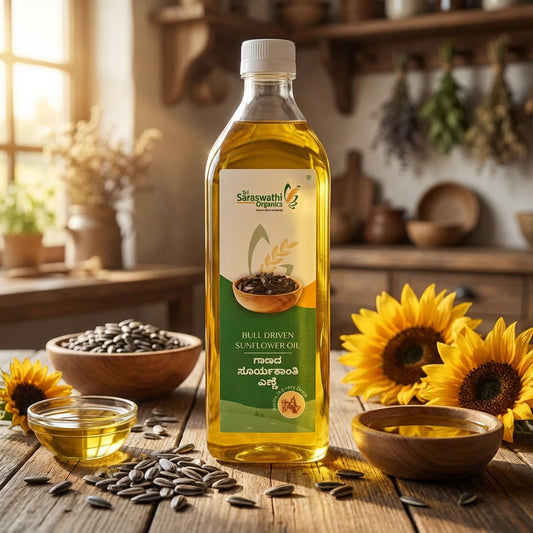
An excellent "all-purpose" choice, sunflower oil has a high smoke point and a very light texture. Because it is neutral in flavour, it is ideal for those who want the health benefits of cold-pressed oil without a strong nutty or tropical taste. It is particularly rich in Vitamin E, making it as nutritious as it is functional for frying.
2. Tempering (Tadka) and Sautéing
Tempering involves heating oil to infuse it with the essence of spices – a cornerstone of Indian cuisine.
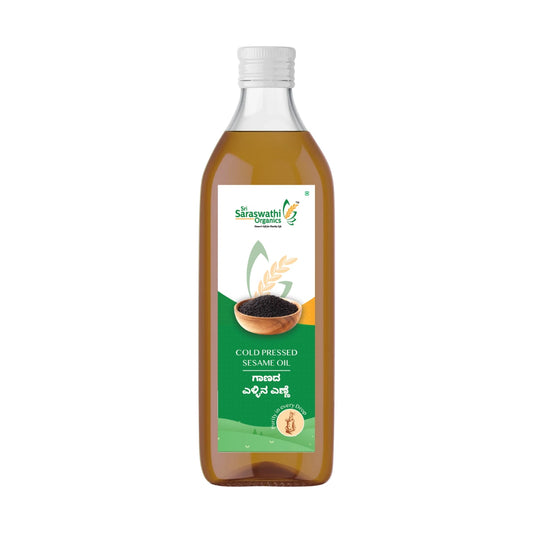
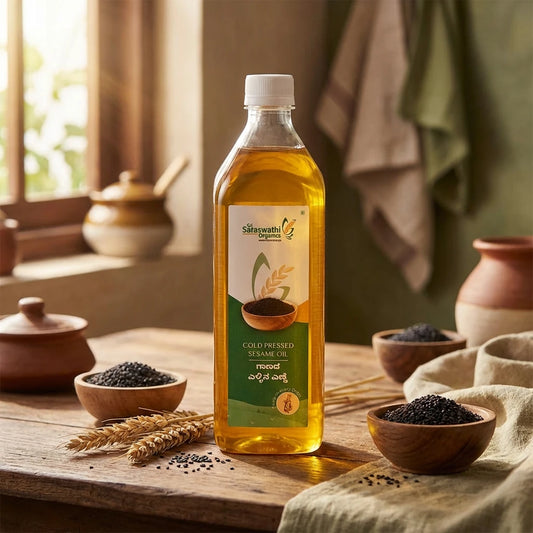
Cold Pressed Sesame Oil
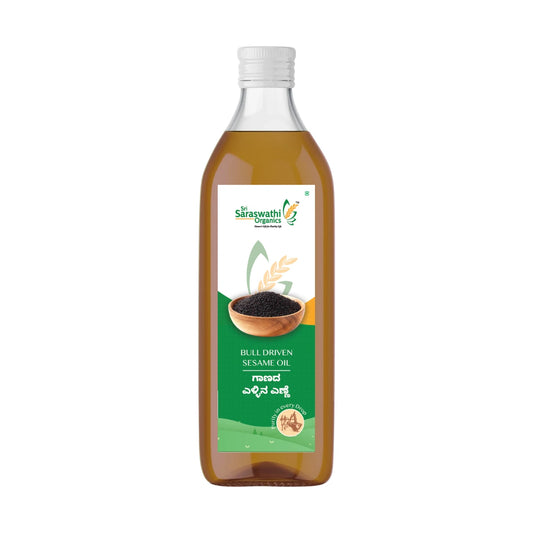
Is traditionally used for tempering dal and sambhar. It has a medium-to-high smoke point and adds a sophisticated, earthy depth to the dish.
Cold Pressed Mustard Oil
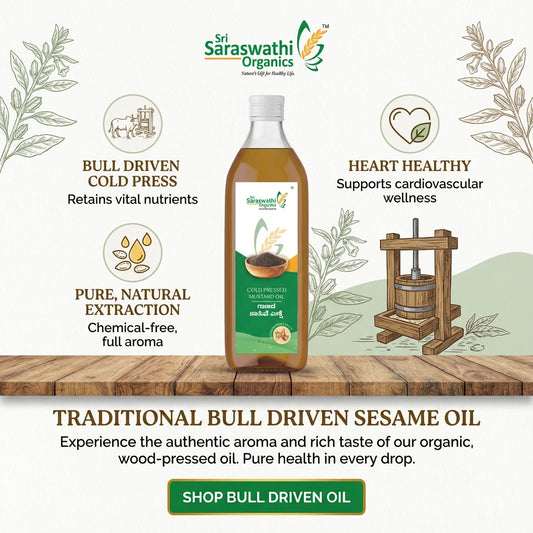
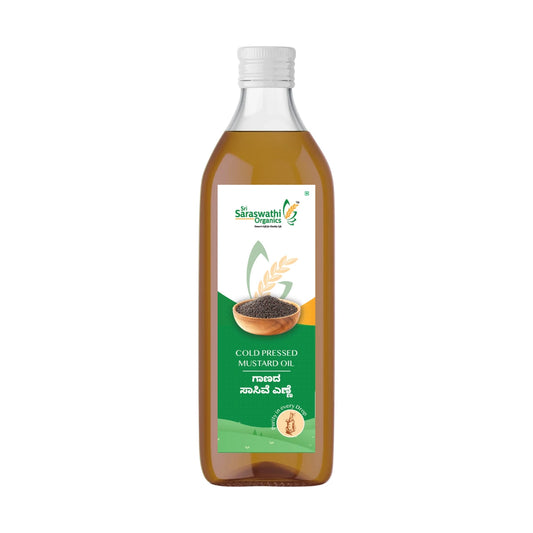
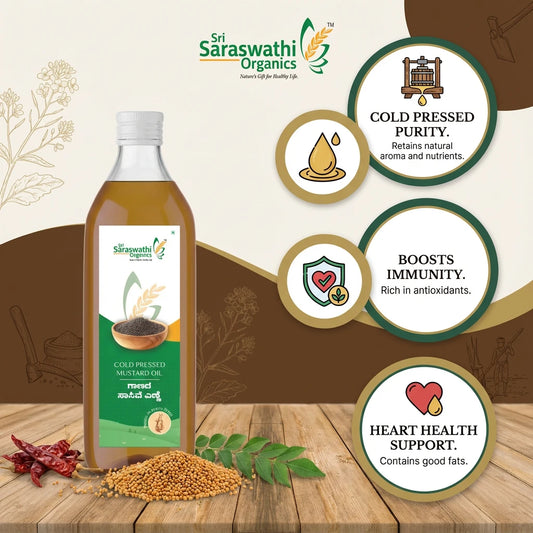
Widely used in Northern and Eastern India, mustard oil is prized for its pungent flavour. It is an excellent medium for sautéing and tempering, especially in fish and vegetable preparations.
3. Salad Dressings and Finishing
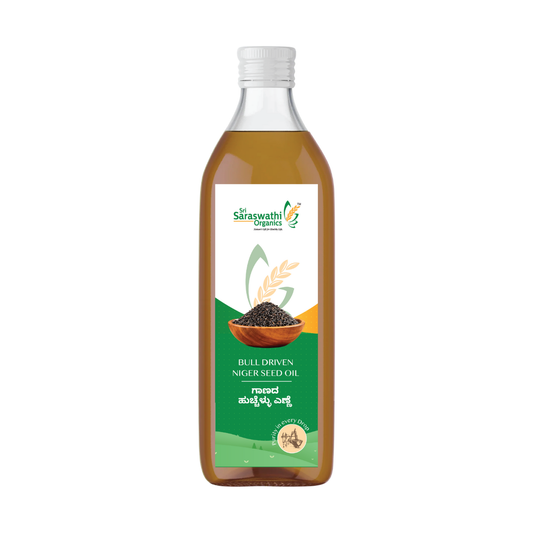
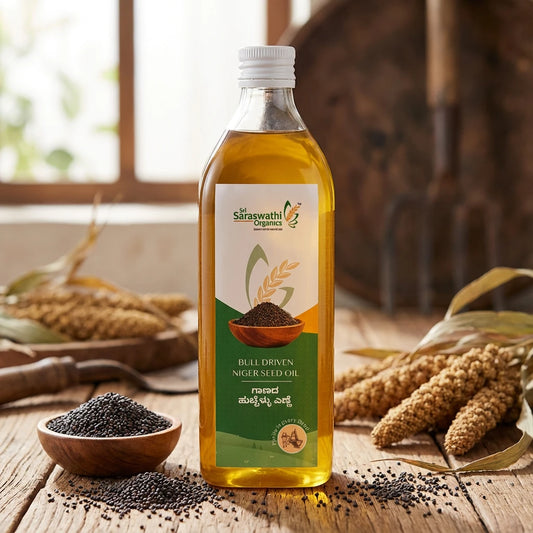
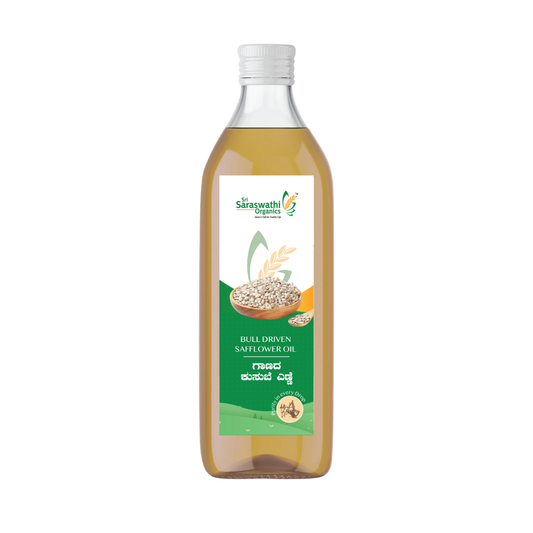
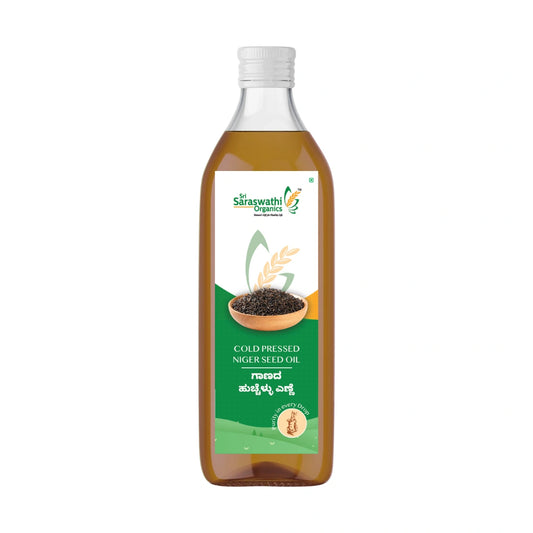
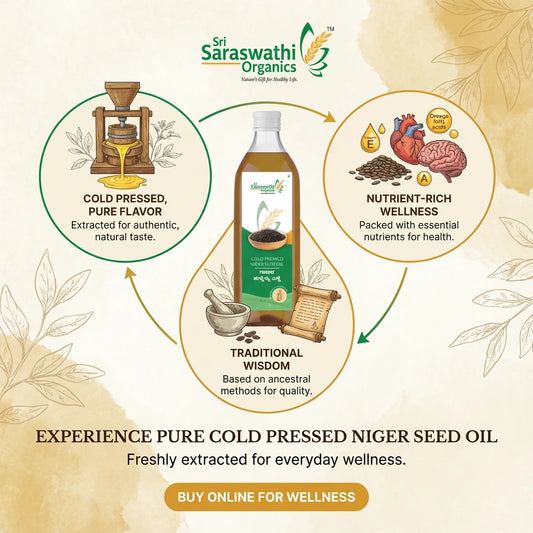
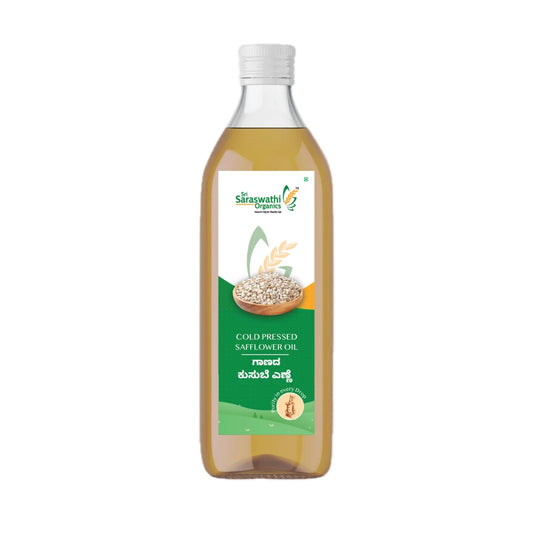
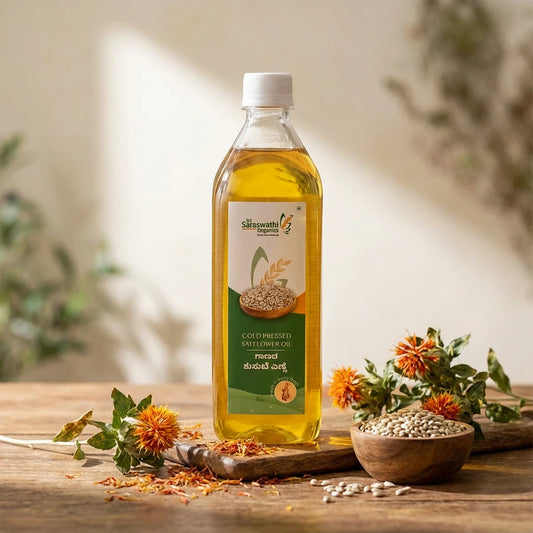
While specific oils like virgin coconut or sesame are popular for raw usage, any cold pressed oil can be used as a dressing or finishing oil. Since no heat is involved, you can choose based entirely on your taste preference – whether you want the tropical sweetness of coconut, the nuttiness of groundnut and niger seed, the mild flavour of safflower, or the bold pungency of mustard.
By aligning your choice of cooking oil with the appropriate cooking method, you can enjoy the full spectrum of cold pressed oil benefits while ensuring your family consumes food that is both flavourful and safe. At Sri Saraswathi Organics, we provide a range of oils tailored for every kitchen requirement, from high-heat frying to delicate finishing.
How to Choose the Best Cold Pressed Oil
When you look for cold pressed oil, don't just go by the price tag. Real oil should have:
- A Natural Scent: If your peanut oil doesn’t smell like peanuts, it isn't pure.
- A Bit of Sediment: Don't worry if the oil looks slightly cloudy. That’s just the nutritious silt from the seeds – a sign that it hasn't been chemically "cleansed."
- A Rich Texture: It should feel slightly viscous, not thin like water.
At Sri Saraswathi Organics, we believe that good oil begins with good ingredients and careful processing. Our cold pressed oils are produced using traditional extraction methods, with attention to the sourcing, pressing, filtration and packaging processes. Our focus is on providing traditionally extracted oils while maintaining high quality and food-safety practices.
Making the switch isn't just about a new bottle in the pantry; it's about reclaiming the health of your lineage.
Ready to taste the difference?
Explore our range of cold pressed oils online and find the right oil for your everyday cooking. Your heart (and your taste buds) will thank you!
Explore Related Products:
Frequently Asked Questions:
Why is cold pressed oil more expensive?
How long does cold pressed oil last?
What is the difference between cold pressed and wood pressed oil?


Offers and Updates
Get updates on our products, tips for healthy living, and special offers straight to your inbox.
