






No. Foxtail millet and quinoa are different foods. Foxtail millet is a millet, while quinoa is a pseudocereal. They have different botanical classifications, flavours, textures and nutritional profiles. Both are naturally gluten-free, but they are not the same grain and may behave differently when cooked.

Foxtail Millet: Benefits, Nutrition, Recipes & Why It’s Worth Trying

⏱️ 6 min read
Foxtail millet is one of India's traditional grains, enjoyed for generations across different regions of the country. Known for its mildly sweet, earthy and slightly nutty flavour, it is a versatile grain that can be used in everything from breakfast dishes and khichdi to noodles, pasta and snacks.
Today, foxtail millet is gaining renewed attention as more people look for wholesome, minimally processed alternatives to refined grains. It provides dietary fibre, protein, minerals and other naturally occurring nutrients, making it a useful addition to a balanced diet.
But what exactly is foxtail millet? What are its benefits, what is it called in different Indian languages, and how can you include it in your everyday meals? Let's take a closer look.
What Is Foxtail Millet?
Foxtail millet is a small, yellowish grain belonging to the millet family. Its scientific name is Setaria italica, and it is one of the oldest cultivated millet varieties. The grain gets its English name from the characteristic foxtail-like seed head of the plant.
Foxtail millet has a naturally mild, slightly nutty flavour and can be cooked in ways similar to rice. It can be used to prepare traditional Indian dishes such as upma, pongal and khichdi, as well as modern recipes such as millet bowls and salads.
💡 Did You Know?
The Ancient Ancestor: Foxtail Millet is one of the oldest cultivated crops in the world. Archaeological evidence shows that it was grown in India during the Harappan (Indus Valley) Civilization over 4,000 years ago. It has been a part of the Indian diet for centuries, long before rice became widely popular.
What Is Foxtail Millet Called in Different Indian Languages?
Foxtail millet has different names across India, reflecting its long history in regional cuisines. In South India, it is commonly called Navane in Kannada, Thinai in Tamil, Korralu in Telugu and Thina in Malayalam. In North and Western India, names such as Kangni, Kakun and Kang are commonly used.
Foxtail Millet Nutrition
Foxtail millet is a nutrient-dense grain that provides a good combination of carbohydrates, dietary fibre, protein and fats. Per 100 g, it contains approximately 12.3 g of protein, 8 g of dietary fibre and 7.57 g of fat, along with minerals such as iron and B vitamins including niacin, riboflavin and thiamin. It also provides carotene and other essential nutrients, making it a nutritious addition to a balanced diet. Some nutrients naturally present in foxtail millet include:
Nutrient and fibre values shown per 100 g of foxtail millet. Values may vary depending on variety, growing conditions and processing.
Health Benefits of Foxtail Millet
Foxtail millet benefits come from its combination of dietary fibre, protein, iron, minerals and naturally occurring plant compounds. As part of a balanced diet, it can support digestion, steady energy and overall nutritional intake.
1. Supports Digestive Regularity and Constipation Relief
Because foxtail millet is naturally rich in dietary fiber, it acts as a gentle aid for your digestive system. It supports smooth, regular bowel movements and provides effective relief for those struggling with constipation. By adding it to the diet, it helps your gut function more efficiently.
2. Supports Natural Blood Sugar Management
Foxtail millet is an excellent whole-grain alternative for those managing their sugar levels. Its fiber-rich profile supports a slower release of energy into the bloodstream, helping you avoid the sudden sugar spikes often caused by refined grains like white rice.
3. Supports Energy Levels and Fights Fatigue
If you often feel tired or weak, foxtail millet can help. It is a natural source of iron, which supports the formation of hemoglobin and the production of red blood cells. By improving the oxygen-carrying capacity of your blood, it supports higher energy levels and helps reduce physical exhaustion.
4. Supports a Heart-Friendly Lifestyle
Choosing foxtail millet over refined flour supports long-term metabolic health. Its unique combination of nutrients and fiber supports healthy cholesterol markers and promotes a heart-friendly eating pattern, keeping your cardiovascular system in balance.
5. Supports Bone Strength and Muscle Maintenance
With a natural supply of calcium, magnesium, and protein, foxtail millet supports the structural integrity of your body. It helps in maintaining strong bones and supports the repair and maintenance of muscle tissues, making it a great choice for growing children and active adults.
6. Supports Cellular Defense
Your body is constantly fighting "oxidative stress" from pollution and poor lifestyle habits. Foxtail millet contains naturally occurring antioxidants that support your cells, protecting them from damage and supporting your body’s normal repair processes.
🌿 Traditional Wisdom
Ayurvedic Balancing: According to Ayurveda, Foxtail Millet is known as Priyangu. It is traditionally valued for its Sheetala (cooling) property and is considered a suitable grain for summer. Traditional Ayurvedic practices associate it with balancing the Pitta and Kapha doshas.
Foxtail Millet Recipes
One of the best things about foxtail millet is its versatility. You can easily include it in everyday meals without making major changes to your diet. Use it to prepare upma, khichdi, dosa, pongal, salads, or even as a rice alternative with dal, sambar, vegetables, or curries.
Foxtail Millet Products: More Ways to Enjoy Millet
Foxtail millet is no longer limited to the traditional whole grain and is now available in several convenient forms, making it easier to include in everyday meals. Foxtail millet can be cooked and used as an alternative to rice in dishes such as khichdi, pongal, pulao and millet bowls. Foxtail millet rava is a convenient option for preparing upma, dosa and other breakfast recipes, while foxtail millet flakes can be used for quick breakfasts, porridge, snacks and breakfast bowls. Foxtail millet vermicelli can be used to prepare quick breakfast and dinner dishes such as millet upma and other vermicelli recipes. For convenient meal options, foxtail millet noodles can be used in familiar noodle-based dishes, while foxtail millet pasta can be paired with vegetables, sauces and other ingredients for an easy evening snack.
Looking for more ways to enjoy millets? Explore our range of millet products and discover convenient options for everyday cooking.
Where Can You Buy Foxtail Millet?
If you're looking to buy foxtail millet online, consider checking:
- Whether the millet is polished or unpolished
- How the grain is cleaned and processed
- Packaging and storage information
- Source and manufacturer details
- Product freshness
If you're looking for organic foxtail millet, check whether the product carries the appropriate certification rather than relying only on the word "organic" on the label.
Shop Foxtail Millet from Sri Saraswathi Organics
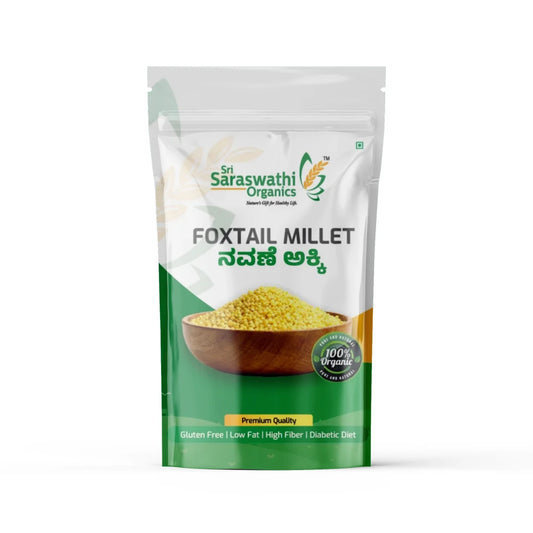
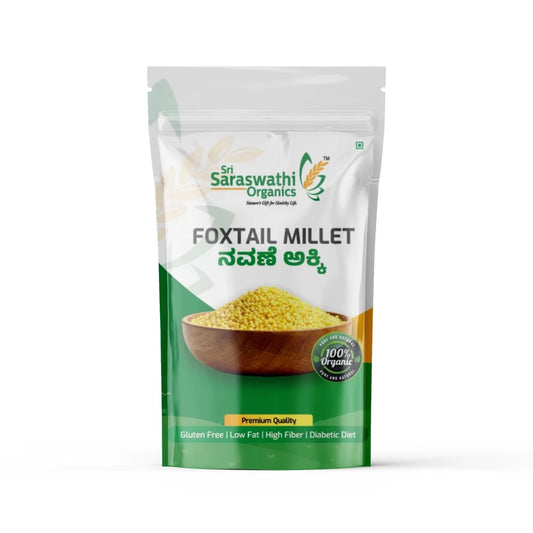
At Sri Saraswathi Organics, our organic certified, unpolished foxtail millet is carefully cleaned and packed for convenient everyday cooking. Explore our foxtail millet and other millet products to find more ways to enjoy traditional grains.
Explore Related Products:
Frequently Asked Questions:
Is foxtail millet and quinoa the same?
Is foxtail millet naturally gluten-free?
What products can be made from foxtail millet?


Offers and Updates
Get updates on our products, tips for healthy living, and special offers straight to your inbox.
