




Yes, all millets are 100% naturally gluten-free. This makes them an excellent alternative to wheat for individuals with gluten sensitivity.

Millet Nutrition: A Complete Guide to Protein, Fibre & Minerals

⏱️ 4 min read
The nutritional value of millets extends far beyond their role as a staple grain. As naturally gluten-free ancient grains, they offer a powerhouse of plant-based protein, dietary fibre, and essential complex carbohydrates.
Knowing the specific differences between varieties can help you make informed choices for a balanced, low-glycemic diet. In this guide, we’ll compare millet nutrition, explore their health benefits, and show you how to cook them to retain maximum nutrients.
Nutritional Value of Millets
Although all millets are nutritious, each variety differs in its nutrient composition. Some provide more dietary fibre, while others are naturally richer in calcium, iron or protein.
Use this millet nutrition chart to compare the profiles of commonly consumed millet varieties. All nutritional values below are provided per 100 g of the respective millet.
1. Macro-Nutrients: Protein, Fibre, and Energy
If you are looking for weight management or muscle recovery, the macro-nutrient profile is key. Millets generally offer more dietary fibre and protein than white rice.
| Grain Variety | Protein (g) | Dietary Fibre (g) | Carbohydrates (g) | Carbohydrate/ Fibre Ratio |
|---|---|---|---|---|
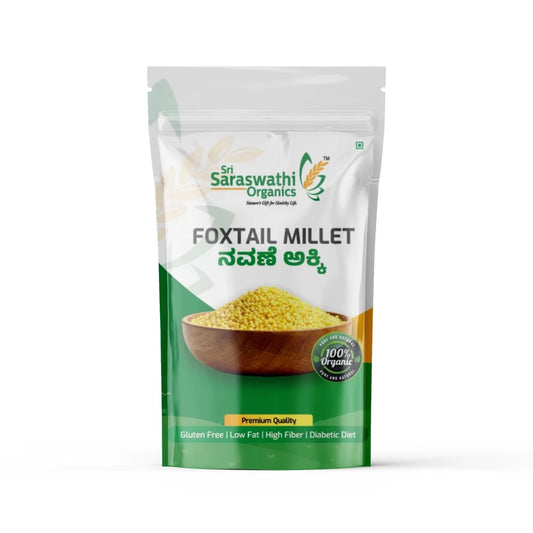
| Foxtail Millet | 12.3 | 8.0 | 60.6 | 7.57 |
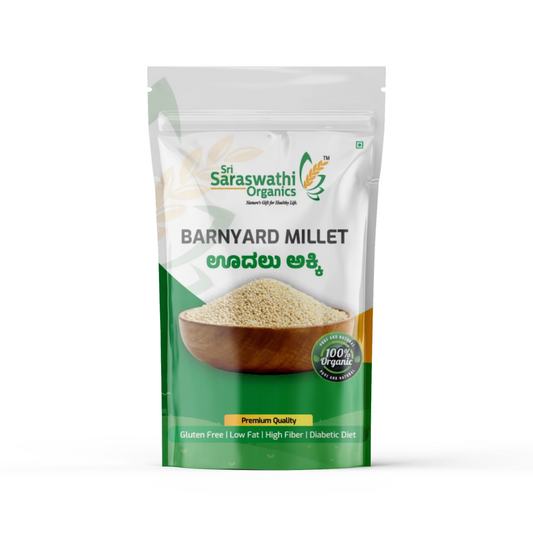
| Barnyard Millet | 6.2 | 10.0 | 65.5 | 6.55 |
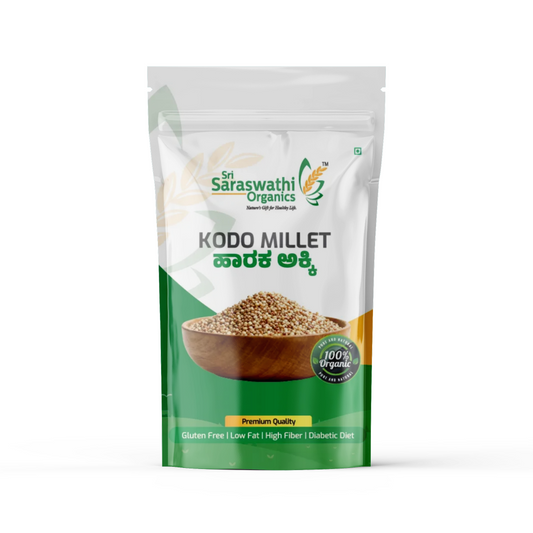
| Kodo Millet | 6.2 | 9.0 | 65.6 | 7.28 |
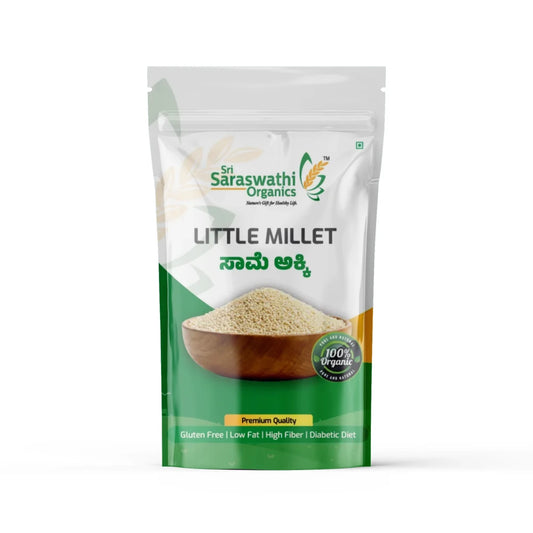
| Little Millet | 7.7 | 9.8 | 65.5 | 6.68 |
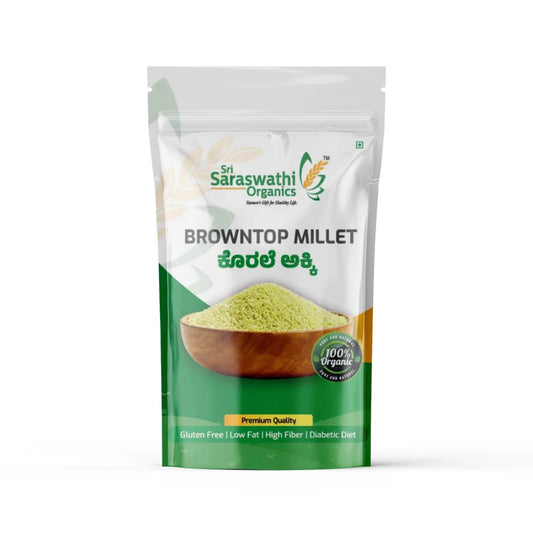
| Browntop Millet | 11.5 | 12.5 | 69.37 | 5.54 |
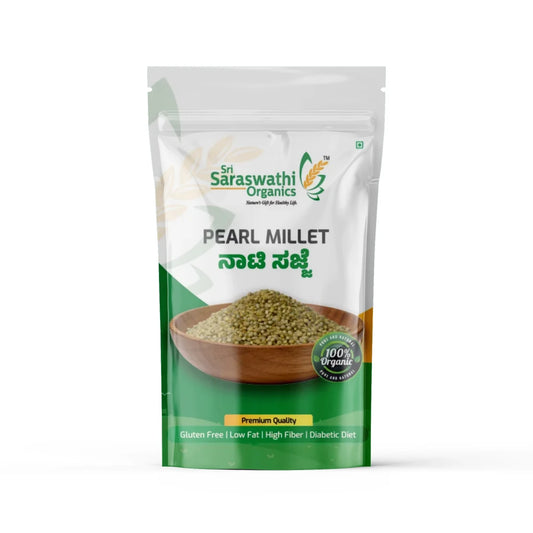
| Pearl Millet | 11.6 | 1.2 | 67.1 | 55.91 |
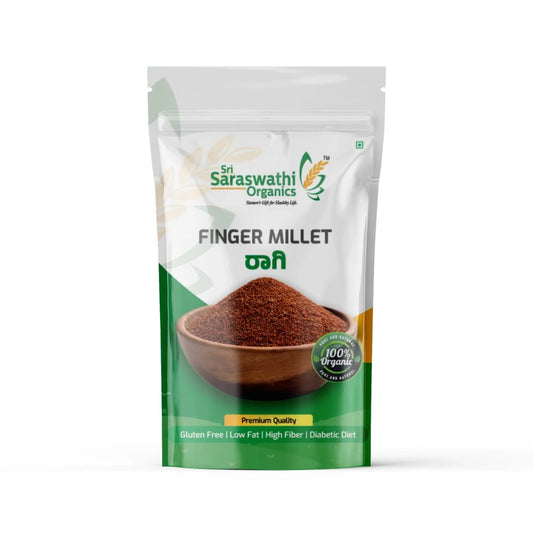
| Finger Millet | 7.1 | 3.6 | 72.7 | 20.19 |
| Proso Millet | 12.5 | 2.2 | 68.9 | 31.31 |
| Wheat | 11.8 | 1.2 | 76.2 | 63.50 |
| Rice | 6.9 | 0.2 | 79.0 | 395.0 |
2. Essential Minerals: Calcium, Iron, and Phosphorus
Minerals are fundamental for maintaining strong bone density and high energy levels. Unlike refined grains, millets offer a superior concentration of minerals, making them essential for a mineral-rich, balanced diet.
| Grain Variety | Calcium (g) | Iron (mg) | Phosphorous (g) |
|---|---|---|---|
| Foxtail Millet | 0.03 | 6.3 | 0.29 |
| Barnyard Millet | 0.02 | 2.9 | 0.28 |
| Kodo Millet | 0.04 | 2.9 | 0.24 |
| Little Millet | 0.02 | 2.8 | 0.28 |
| Browntop Millet | 0.01 | 0.65 | 0.47 |
| Pearl Millet | 0.05 | 8.0 | 0.35 |
| Finger Millet | 0.33 | 5.4 | 0.27 |
| Proso Millet | 0.01 | 5.9 | 0.33 |
| Wheat | 0.05 | 5.3 | 0.32 |
| Rice | 0.01 | 1.0 | 0.11 |
3. Vitamin Profile: B-Vitamins (Thiamine, Riboflavin, Niacin)
B-vitamins are crucial for energy metabolism and brain function. Millets are an excellent source of these water-soluble vitamins compared to processed staples.
| Grain Variety | Thiamine B1 (mg) | Riboflavin B2 (mg) | Niacin B3 (mg) |
|---|---|---|---|
| Foxtail Millet | 0.59 | 0.11 | 0.7 |
| Barnyard Millet | 0.31 | 0.08 | 1.5 |
| Kodo Millet | 0.33 | 0.09 | 2.0 |
| Little Millet | 0.30 | 0.07 | 1.5 |
| Browntop Millet | 3.2 | 0.027 | 18.5 |
| Pearl Millet | 0.33 | 0.25 | 2.3 |
| Finger Millet | 0.42 | 0.19 | 1.1 |
| Proso Millet | 0.20 | 0.18 | 2.3 |
| Wheat | 0.35 | 0.27 | 5.0 |
| Rice | 0.06 | 0.06 | 1.2 |
Tips to Maximise Millet Nutrition
Getting the most nutritional value from millets isn't just about choosing the right variety—how you prepare and combine them also matters. Here are a few simple tips:
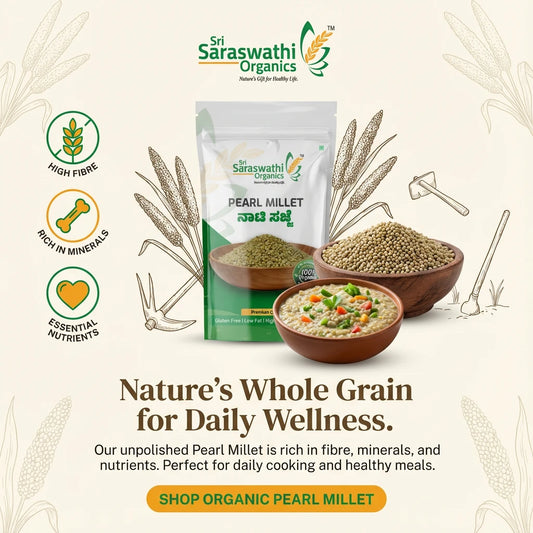
- Choose unpolished millets: Unpolished millets retain more of their natural fibre and nutrients than heavily polished varieties.
- Soak before cooking: Soaking millets for 6–8 hours improves digestibility, supports better nutrient availability and reduces cooking time.
- Include a variety of millets: Each millet has a unique nutritional profile. Rotating varieties such as foxtail, little, kodo, barnyard, bajra, jowar and ragi helps increase dietary diversity.
- Pair with protein-rich foods: Combine millets with dals, pulses, legumes or curd to create balanced meals with plant based protein.
- Add vegetables and healthy fats: Vegetables, nuts, seeds and healthy oils can further enhance the nutritional value of millet-based meals.
How to Cook Unpolished Millets
Cooking whole millets is simple. This method ensures the grains are fluffy and the nutrients stay intact.
Step 1: Wash and Soak
Wash 1 cup of millet thoroughly. Soak it in 2.5 to 3 cups of water for at least 8 hours. Pro-tip: Use the same soaking water for cooking to prevent loss of water-soluble B-vitamins.
Step 2: Pressure Cooking
Place the millet and water in a pressure cooker. Cook on a high flame until the second whistle, then switch to a low flame for 5 minutes.
Step 3: Rest and Fluff
Let the pressure release naturally. Gently fluff the millet with a fork. It’s now ready to be served with your favorite sambar, dal, or curry or your favourite side dish.
Explore Our Organic Millets Collection
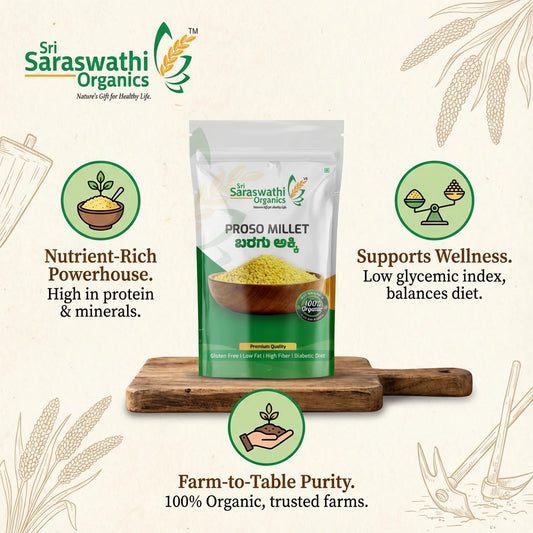
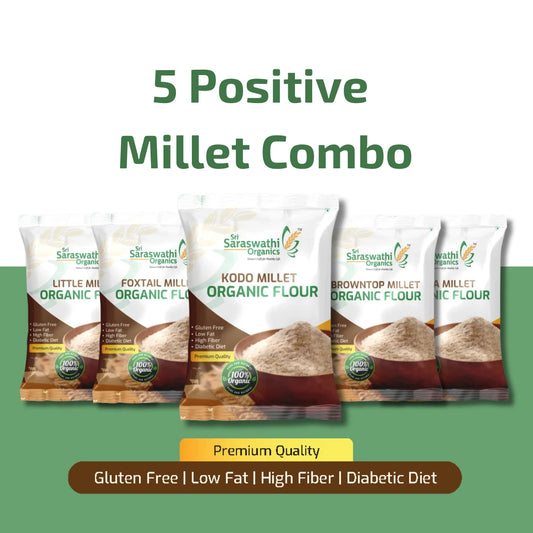
Quality matters when it comes to nutrition. At Sri Saraswathi Organics, we offer a range of organic unpolished millets that are cleaned, dehulled and ready to cook while retaining their natural fibre, nutrients and texture.
Ready to start your health journey?
Explore Related Products:
Frequently Asked Questions:
Are all millets gluten-free?
Is millet good for weight loss?
Is millet good for diabetics?


Offers and Updates
Get updates on our products, tips for healthy living, and special offers straight to your inbox.
