

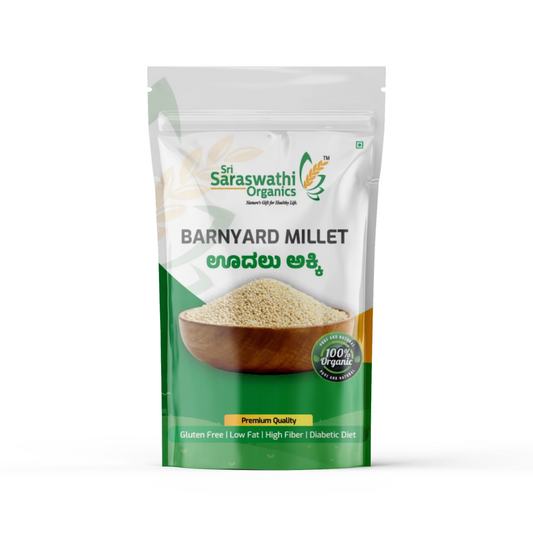

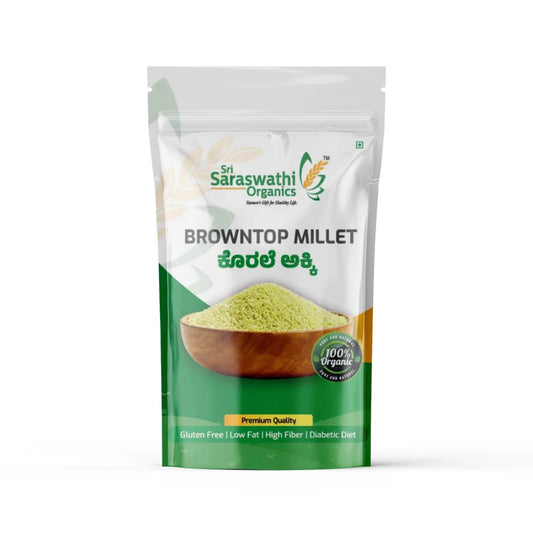
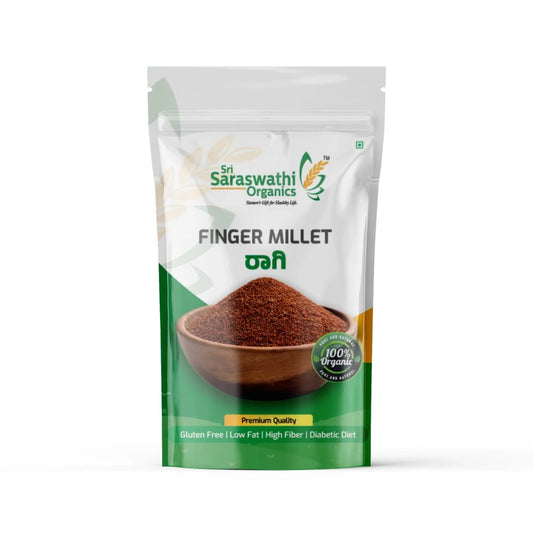
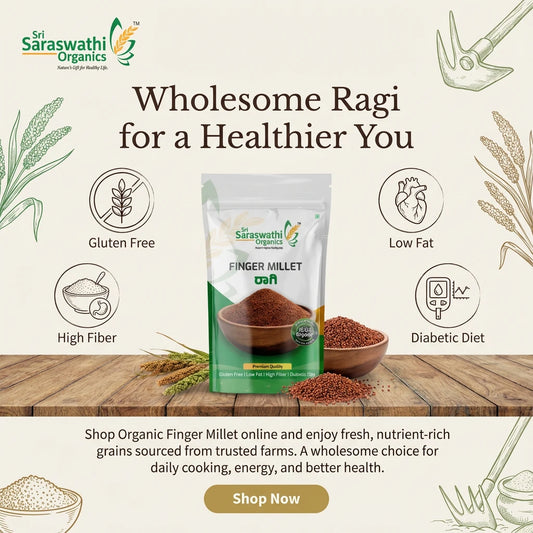

To achieve a perfect, non-sticky texture, soak unpolished Little Millet for 6–8 hours before cooking. This essential step softens the tough outer bran, improves nutrient absorption, and reduces cooking time. Use a water ratio of 1:2 (one cup of millet to two cups of water). You can cook it in a pressure cooker for 3 whistles or in an open pot on medium heat until the water is fully absorbed. Always rinse the grains thoroughly under running water before soaking.

Little Millet: Benefits, Nutrition, Recipes & Use

⏱️ 6 min read
Among India’s traditional grains, Little Millet has been part of everyday food cultures for generations. As interest in millets grows, this small millet is finding its way back into modern kitchens as a versatile grain that can be used in a variety of meals. It belongs to the Siridhanya (Positive Millets) family.
Also known by regional names such as Same in Kannada and Samai in Tamil, Little millet can be enjoyed as a rice alternative or used to prepare dishes ranging from upma and pongal to dosa, khichdi and millet bowls.
Little millet can be enjoyed as a whole grain and used in a range of everyday preparations. You can also explore convenient millet-based foods such as flour, vermicelli, noodles, pasta and snacks, making it easier to include this traditional grain in modern everyday cooking.
What Is Little Millet?
Little millet is a small-seeded cereal belonging to the grass family. Its scientific name is Panicum sumatrense. It is classified as a small millet and is cultivated in parts of India. The grain has a mild flavour and can be cooked in ways similar to rice.
You can use little millet to prepare upma, pongal, khichdi, pulao, dosa and idli, or simply serve it with dal, sambar, vegetables and curries. Little millet is also naturally gluten-free, making it a useful alternative to gluten-containing grains.
Technical Snapshot
Little Millet at a Glance
Scientific Name Panicum sumatrense
Fiber Content ~9.8 per 100g
Protein Content ~7.7 g per 100g
Health Category Positive Millet
Glycemic Index Low (Supports stable blood sugar)
Dietary Status 100% Naturally Gluten-Free
Ready to add Little Millet to your kitchen?
Get Your Pack of Unpolished Little Millet Here →
What Is Little Millet Called in Different Indian Languages?
Little millet has different regional names across India. Some commonly used names include:
| Language | Little Millet Name |
|---|---|
| Kannada | Same (ಸಾಮೆ) |
| Telugu | Samalu |
| Tamil | Samai (சாமை) |
| Hindi | Kutki |
| English | Little Millet |
Little Millet Nutrition: What Does It Contain?
Little millet provides carbohydrates, dietary fibre, plant-based protein and minerals, making it a nutritious addition to a balanced diet. Its nutritional composition can vary depending on factors such as the variety, growing conditions and processing method.
| Nutrient | Per 100 g | Nutrient | Per 100 g |
|---|---|---|---|
| Carbohydrate | 65.5 g | Dietary Fibre | 9.8 g |
| Protein | 7.7 g | Carb to Fibre Ratio | 6.68 |
| Minerals | 1.5 g | Iron | 2.8 mg |
| Calcium | 0.02 g | Phosphorus | 0.28 g |
| Niacin (B3) | 1.5 mg | Riboflavin (B2) | 0.07 mg |
| Thiamin (B1) | 3.2 mg | Carotene | — |
Nutrient and fibre values shown per 100 g of little millet. Values may vary depending on variety, growing conditions and processing.
Health Benefits of Little Millet
Little millet provides dietary fibre, plant-based protein and minerals that contribute to a balanced diet. As with other whole grains, its nutritional contribution depends on the amount eaten and the overall composition of meals.
1. Supports Digestive Wellness
Little millet is a significant source of dietary fibre, which supports normal digestive function and encourages bowel regularity. Including these fibre-rich grains in your meals can help maintain gut health and contribute to a lasting feeling of fullness, aiding in appetite management.
2. Contributes to Muscle and Tissue Maintenance
Offering a reliable source of plant-based protein, little millet contributes to the growth and maintenance of muscles and body tissues. To create a complete amino acid profile, it can be paired effectively with pulses, lentils, or dairy, making it an excellent staple for vegetarian and vegan diets.
3. Assists in Oxygen Transport and Energy Levels
Little millet contains essential minerals, including iron, which is a key component in the formation of haemoglobin. Proper iron intake helps ensure efficient oxygen transport throughout the body, supporting sustained energy levels. The specific nutritional contribution depends on the traditional preparation methods used.
4. Supports Bone Health and Nerve Function
This grain is rich in vital minerals such as phosphorus and magnesium. These nutrients play a fundamental role in maintaining normal bone density, supporting steady nerve function, and assisting in healthy muscle activity and relaxation.
5. Provides Natural Antioxidant Support
Like many heritage grains, little millet contains naturally occurring plant compounds and polyphenols. These antioxidants are part of the grain’s natural defense system and contribute to the overall nutritional integrity of the unpolished seed, though levels may vary based on harvest and storage methods.
6. A Versatile Gluten-Free Staple
Little millet is naturally gluten-free, making it a safe and nutritious staple for individuals with gluten sensitivities or those simply looking to diversify their grain intake. It serves as a wholesome alternative to refined grains, easily integrating into traditional recipes without compromising on texture or taste.
Little Millet Recipes
Little millet is a versatile grain that can be used in everyday meals. Prepare dishes such as upma, pongal, khichdi and pulao, or use it for dosa and idli. It can also be served as a rice alternative with dal, sambar, vegetables and curries.
💡 The Secret to Perfect Texture
Always rinse the millet thoroughly before use. For the best results, soak the unpolished grain for at least 6–8 hours. This process supports better nutrient absorption, softens the outer bran layer, and significantly reduces cooking time.
More Ways to Enjoy Little Millet
Little millet can be enjoyed as a whole grain and in a variety of millet-based foods, making it easier to include this traditional grain in everyday meals and snacks.
🌾 Little Millet Products
Little Millet Flour: A versatile option for preparing rotis, dosas, pancakes and other millet-based recipes.
Little Millet Vermicelli: A convenient choice for quick breakfast and dinner dishes such as millet upma and other vermicelli recipes.
Little Millet Noodles: An easy way to include millet in familiar noodle-based meals with vegetables and your favourite seasonings.
Little Millet Pasta: A convenient option for preparing pasta with vegetables, sauces and other ingredients.
Little Millet Chakli: A crispy millet-based snack that makes a delicious option for tea time or an evening snack.
Little Millet Rava: A comforting traditional breakfast preparation combining millet with vegetables and mild spices.
Little Millet Flakes: A nutritious and quick-cooking whole-grain alternative, perfect for a light, wholesome breakfast or as a healthy, fiber-rich base for traditional savory snacks.
From Traditional Grain to Everyday Foods
Whether you prefer cooking little millet as a rice alternative, using millet flour for homemade recipes or choosing convenient options such as vermicelli, noodles, pasta, snacks and flakes, there are many ways to enjoy this traditional grain.
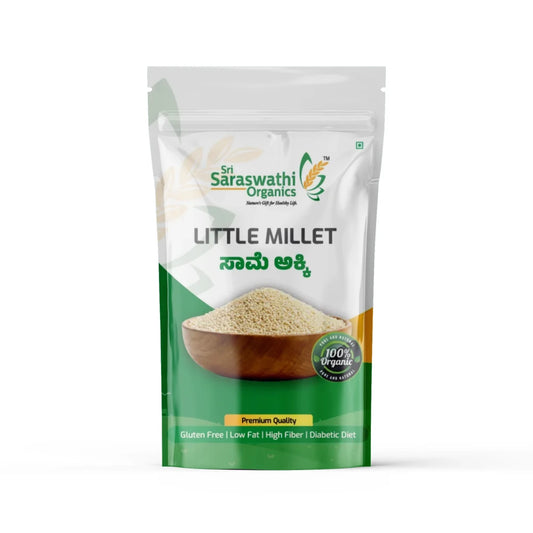
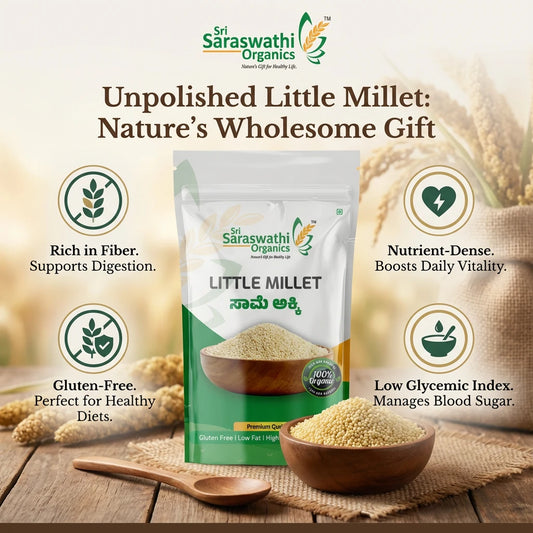
At Sri Saraswathi Organics, we bring you carefully sourced organic, unpolished little millet for everyday cooking.
Our little millet can be used as a rice alternative or incorporated into your favourite millet recipes.
Explore Related Products:
Frequently Asked Questions:
How do I cook Little Millet for the best texture?
Is Little Millet better than white rice for a daily diet?
Can Little Millet help with weight management?


Offers and Updates
Get updates on our products, tips for healthy living, and special offers straight to your inbox.
