
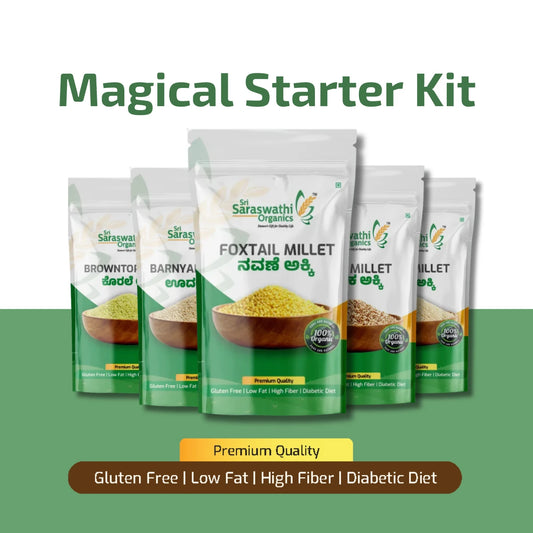



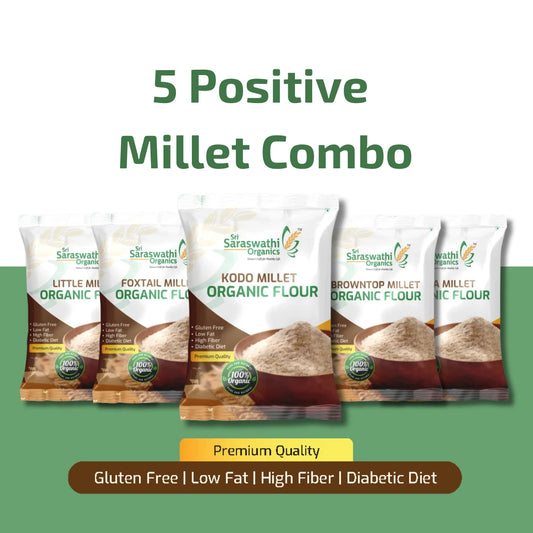
Siridhanya refers to a group of five traditional Positive Millets popularised by Dr. Khadar Vali. These include Foxtail Millet, Little Millet, Kodo Millet, Barnyard Millet, and Browntop Millet. They are valued for their high dietary fibre content and are often included in balanced, whole-grain diets.

Siridhanya: A Complete Guide to Positive Millets

⏱️ 5 min read
In recent years, India has witnessed a renewed interest in ancient grains as more people embrace healthier eating habits and traditional food wisdom. From the Government of India's Shree Anna initiative to the growing popularity of millets worldwide, these nutrient-rich grains are making a comeback. Among them, Siridhanya, a group of five traditional small millets popularised by Dr. Khadar Vali, has gained significant attention for its role in a balanced, fibre-rich diet. While the word millet is often used as a broad category, the Siridhanya framework introduces a more specific classification based on nutritional value and health impact.
This guide explores the concept of Positive Millets, their role in a balanced diet, and how these traditional grains support overall wellness. By understanding the distinction between positive, neutral, and negative grains, you can make informed choices for a healthier lifestyle.
The Nutritional Philosophy of Siridhanya
The classification of grains into Positive, Neutral, and Negative categories is largely based on their fiber-to-carbohydrate ratio. In traditional nutritional science, the rate at which glucose is released into the bloodstream is a critical factor in metabolic health.
Grains that release sugar slowly are generally considered more beneficial for sustained energy and metabolic balance. This slow release is primarily governed by the dietary fiber content of the grain.
Understanding the Categories:
-
Positive Millets: These grains possess a high dietary fiber content, typically ranging from 8% to 12.5%. Due to this high fiber, they are often associated with supporting the body’s natural healing processes and helping in managing chronic lifestyle conditions.
-
Neutral Millets: With a fiber content between 2% and 6%, these grains are excellent for maintaining health and providing essential nutrients.
-
Negative Grains: Grains with very low fiber (usually less than 2%), such as polished white rice and refined wheat, are often categorized as negative because they can lead to rapid glucose spikes.
The 5 Positive Millets:
Positive millets, or Siridhanya, consist of five specific grains. Each of these is recognized for its unique nutritional profile and the specific ways it supports different bodily functions.
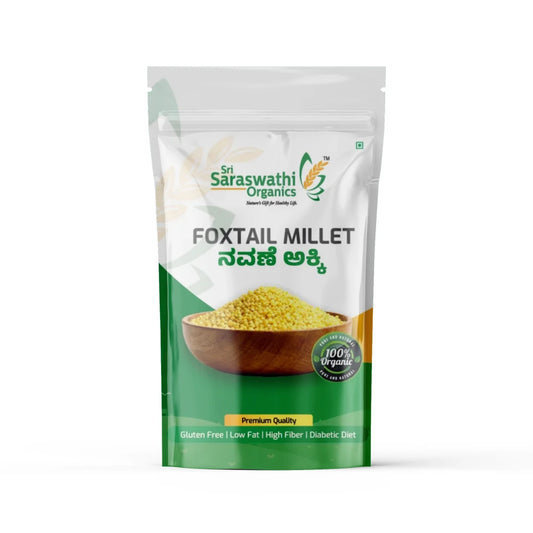
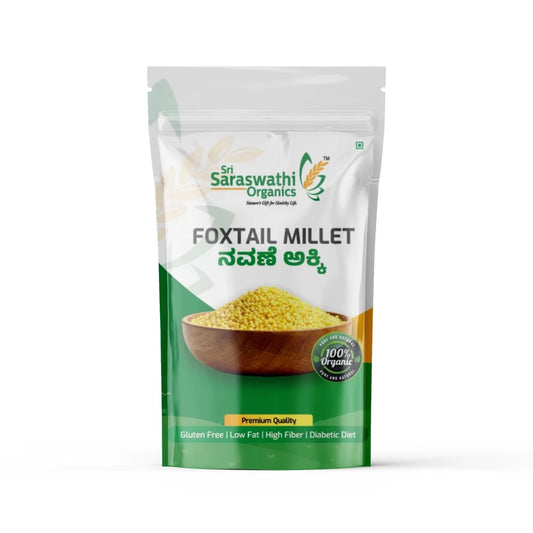
1. Foxtail Millet (Navane)
Foxtail Millet is one of the most popular positive millets. With a dietary fibre content of approximately 8%, it is a source of plant-based protein, complex carbohydrates, and essential minerals. Traditionally, it has been associated with supporting nervous system, blood sugar and blood pressure management, while its nutrient-rich profile is believed to help improve general vitality, muscle health, and physical stamina when included as part of a balanced diet.
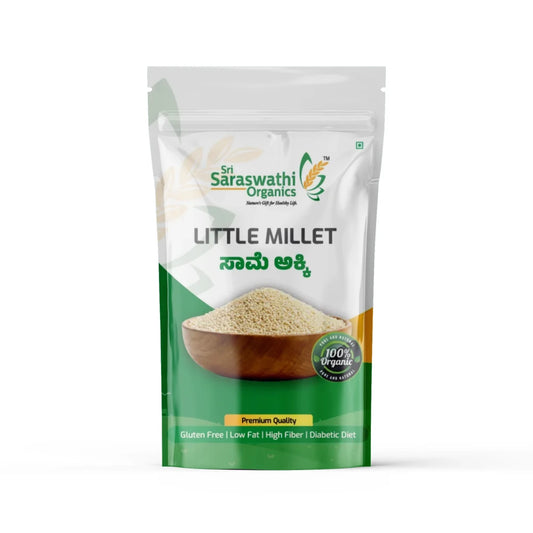
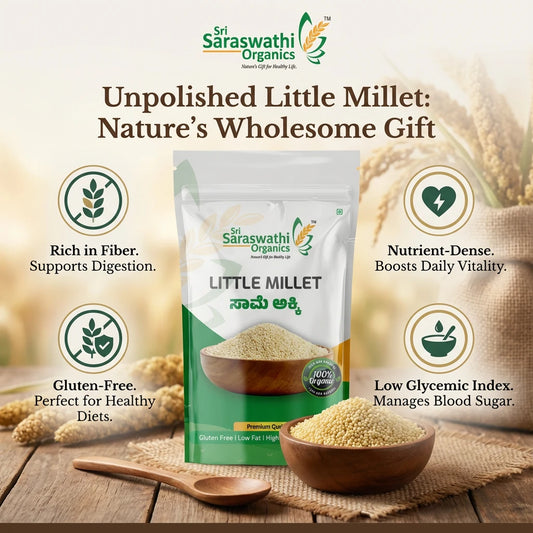
2. Little Millet (Saame)
Little Millet is a small grain with a dietary fibre content of around 9.8%. Naturally gluten-free and easy to digest, it is valued for its fibre and mineral content. Traditionally, it has been associated with supporting reproductive health and hormonal balance, and is often included in diets aimed at promoting digestive health and improving the absorption of essential nutrients such as magnesium and iron.
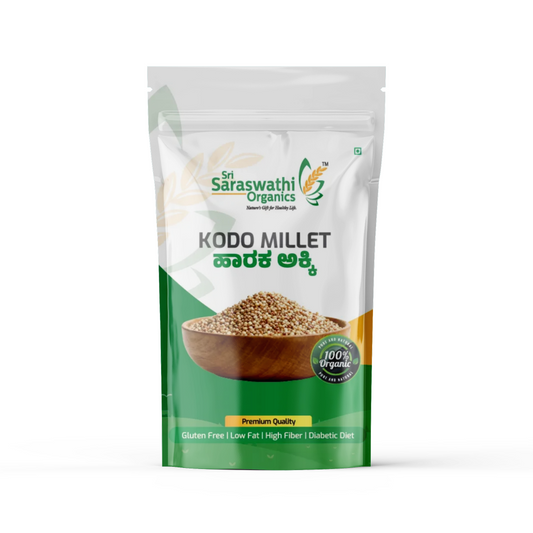
3. Kodo Millet (Haaraka)
Kodo Millet contains approximately 9% dietary fibre and is known for its naturally occurring antioxidants and polyphenols. Traditionally, it has been associated with supporting blood health, maintaining healthy cholesterol levels, strengthening the immune system by helping protect cells from oxidative stress, and supporting overall wellbeing. It is also included in some traditional wellness practices for supporting bone marrow health.
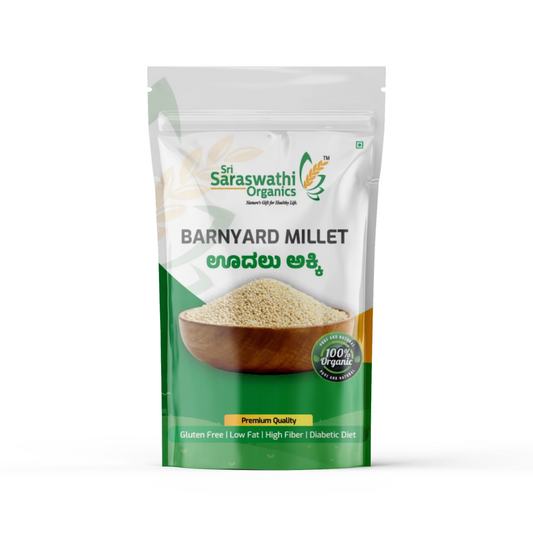
4. Barnyard Millet (Oodalu)
Barnyard Millet is a highly digestible grain containing about 10% dietary fibre and is valued for its naturally low glycaemic index. Traditionally, it has been associated with supporting the healthy functioning of the liver and kidneys and overall metabolic health. Its fibre-rich composition and slower digestion compared with many refined grains make it a popular choice for those looking to support healthy blood sugar management as part of a balanced diet.
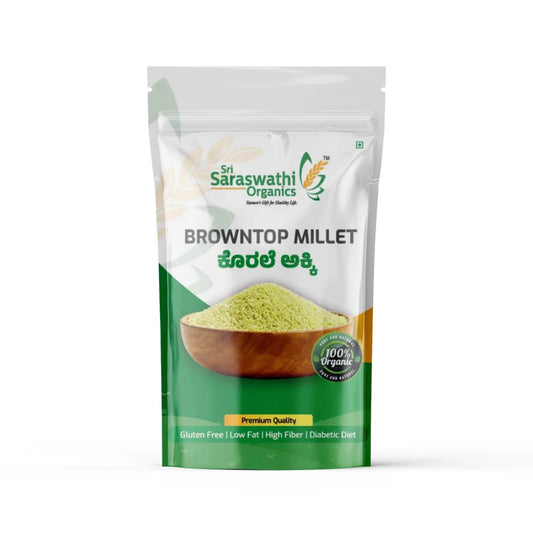
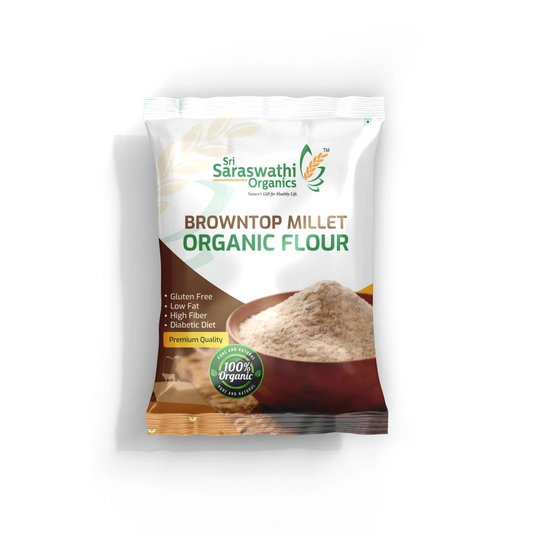
5. Browntop Millet (Korle)
Browntop Millet is considered one of the rarest and most fibre-rich positive Millets, with a dietary fibre content of approximately 12.5%. Its naturally high fibre content supports digestive health and regular bowel movements, and it has traditionally been associated with helping maintain digestive comfort. It is also commonly included in diets intended to support the body's natural cleansing processes and overall digest.
Neutral Millets: Nutritious Everyday Staples
Neutral Millets remain vital staples in the Indian diet. These grains are excellent for general wellness and provide the necessary energy for a healthy, active life.
-
Finger Millet (Ragi): Renowned for its high calcium content, Ragi supports bone health and is a traditional favorite for growing children and the elderly.
-
Sorghum (Jowar): A versatile, gluten-free grain that supports heart health and provides a steady source of energy.
-
Pearl Millet (Bajra): Rich in iron and essential minerals, Bajra is particularly beneficial for maintaining body temperature and supporting iron levels in the blood.
Transitioning to a millet-based diet doesn't mean excluding these neutral grains; rather, it involves a balanced rotation that includes both positive and neutral millets for a holistic nutritional intake.
Negative Grains: Why Rice and Wheat are Failing Us
In the Siridhanya framework, polished white rice and refined wheat are classified as "Negative" grains. This is primarily due to their low dietary fiber content, which is typically less than 2%.
When you consume low-fiber grains, the body converts carbohydrates into glucose very rapidly, often within 15 to 45 minutes. This creates an immediate spike in blood sugar, placing a heavy demand on the pancreas to produce insulin. Over time, consistent reliance on these grains can lead to metabolic fatigue and insulin resistance. Positive millets, by contrast, take 5–7 hours to release their glucose, ensuring your energy levels remain stable without the "sugar crash."
Bring Traditional Nutrition Home
Siridhanya offers a simple way to reconnect with India's traditional grains while making healthier everyday food choices. If you're looking to buy millets online, explore Sri Saraswathi Organics unpolished millets, sourced from Karnataka and delivered across India, and take the first step towards a wholesome lifestyle.
Explore Related Products:
Frequently Asked Questions:
What is Siridhanya?
Are Positive Millets gluten-free?
Can I mix all 5 Positive Millets together?


Offers and Updates
Get updates on our products, tips for healthy living, and special offers straight to your inbox.
