






Millets can be included regularly as part of a varied and balanced diet. It is also useful to rotate different grains and include other food groups such as pulses, vegetables, fruits, dairy or suitable alternatives, nuts and seeds.
How to Eat Millets: A Beginner’s Guide to Cooking

⏱️ 7 min read
Want to include millets in your everyday meals but not sure where to start? You may have questions like: Do millets need soaking? How much water should you use? Can you cook them like rice? Can you mix different millets or replace rice completely?
If you are new to millets, the good news is that you do not need to change your entire diet overnight. You can begin with one millet, learn how to prepare it, and gradually include it in familiar meals such as upma, pongal, pulao, dosa and khichdi.
This beginner-friendly guide explains how to prepare, soak and cook different types of millets, how to use them instead of rice, and simple ways to include them in your everyday Indian meals.
Choose one millet, rinse it well, soak it and cook it with the right amount of water. Start by replacing one rice-based meal and experiment with different recipes as you become familiar with its taste and texture.
What Are Millets and Why Include Them in Your Diet?
Millets are a group of small-seeded cereal grains that have been cultivated and consumed in India for generations. They include familiar grains such as ragi, jowar and bajra, as well as smaller varieties like foxtail, barnyard, little, kodo and browntop millet.
Different millets offer different nutritional profiles. Depending on the variety, they provide carbohydrates, plant protein, dietary fibre, minerals and B-group vitamins. Whole-grain millets can also add variety to your regular cereal choices.
India's dietary guidance encourages including whole grains such as millets as part of a balanced diet. The ICMR-National Institute of Nutrition also provides guidance on including millets among the recommended cereal intake.
Rather than treating millets as a replacement for every food in your diet, think of them as another wholesome grain option that can be used in a variety of everyday dishes.
🌾 Why Choose Unpolished Millets?
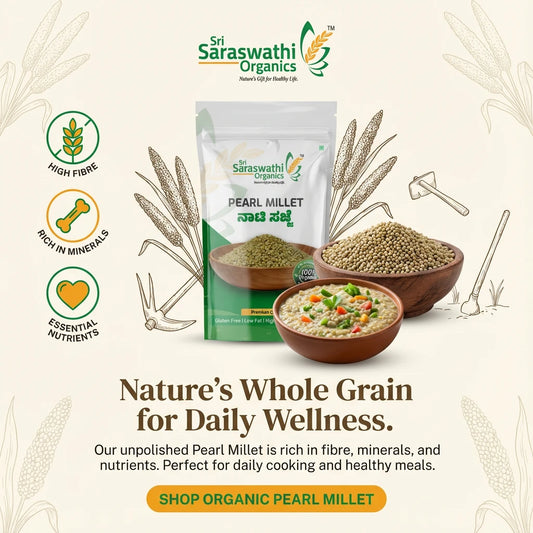
Choose unpolished millets whenever possible. Unlike polished grains, unpolished millets retain more of their outer grain layers, including the bran, which contributes dietary fibre and naturally occurring nutrients. They offer a more whole-grain option for everyday meals.
Different Types of Millets You Can Start Eating
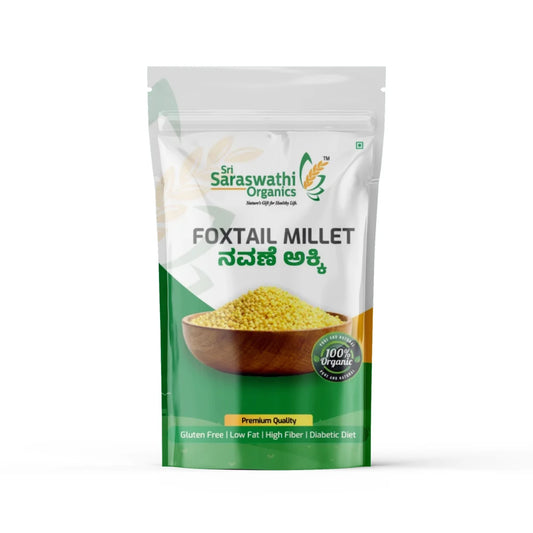
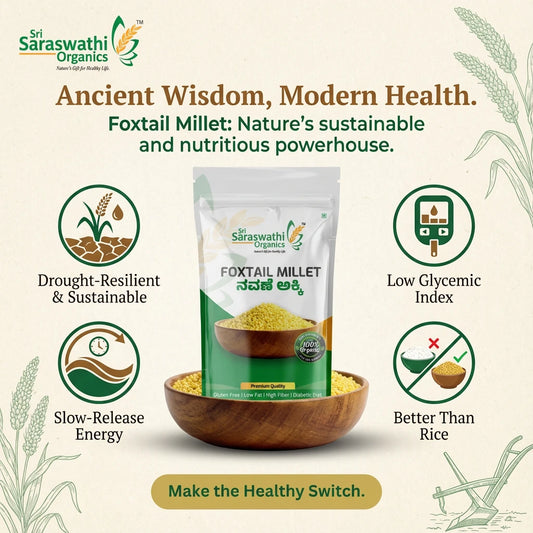
🌾 Foxtail Millet ⌄
Popular ways to use: Upma, pongal and bisibelebath.
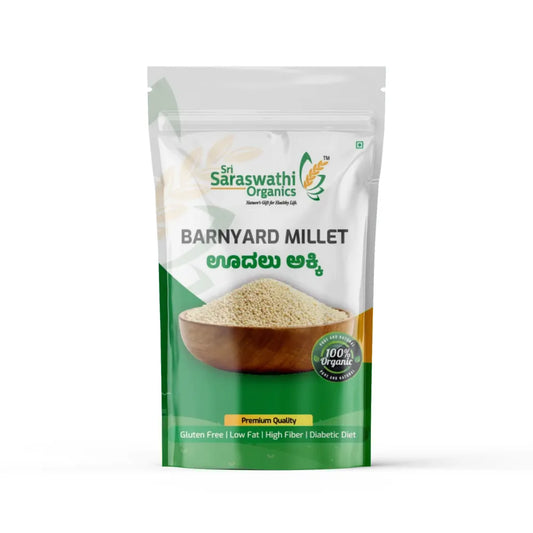
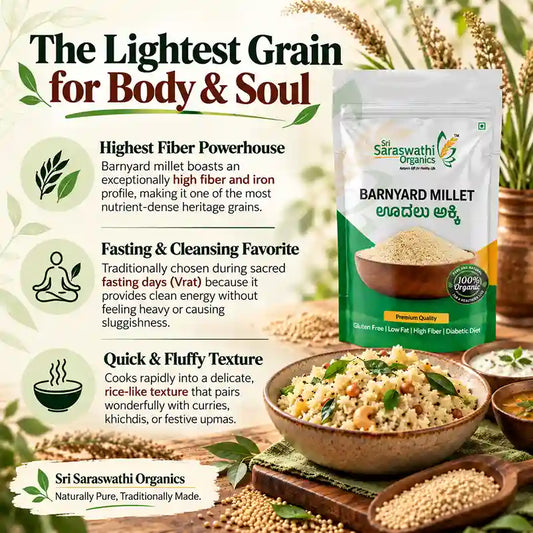
🌾 Barnyard Millet ⌄
Popular ways to use: Khichdi, pongal, upma and rice-style dishes.
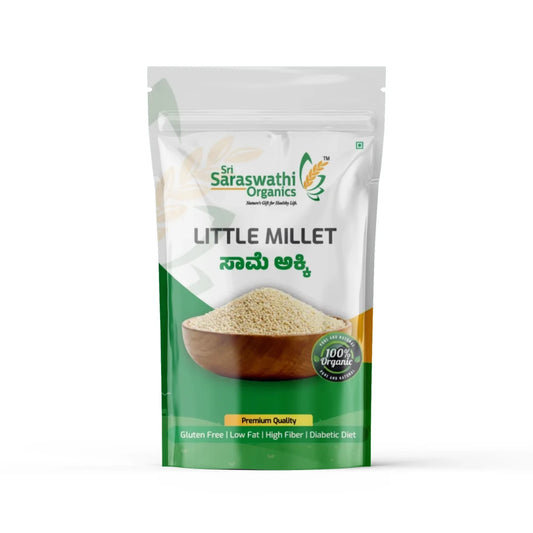
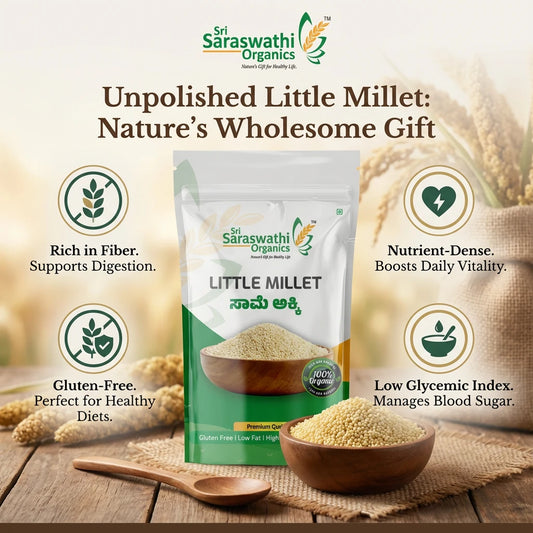
🌾 Little Millet ⌄
Popular ways to use: pongal, khichdi and upma.
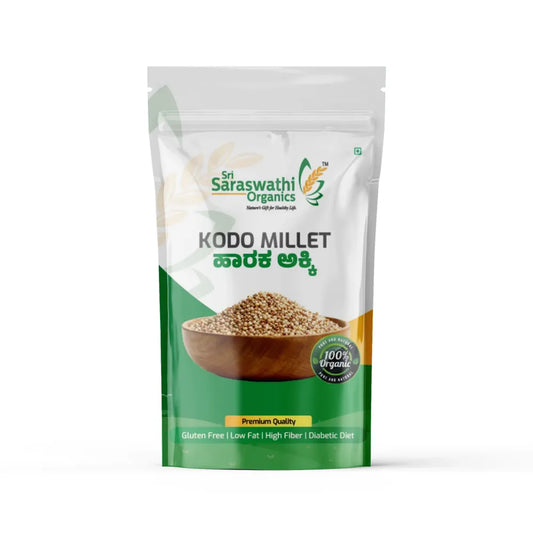
🌾 Kodo Millet ⌄
Popular ways to use: Millet rice, khichdi and one-pot meals.
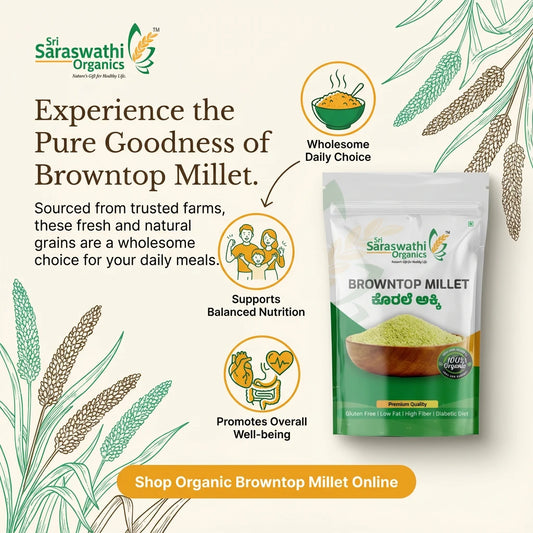
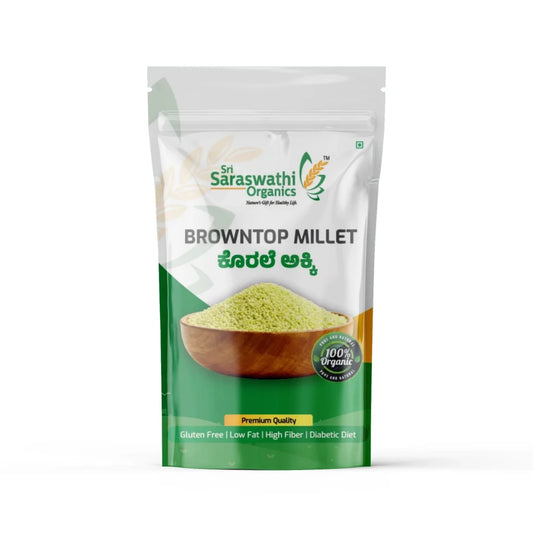
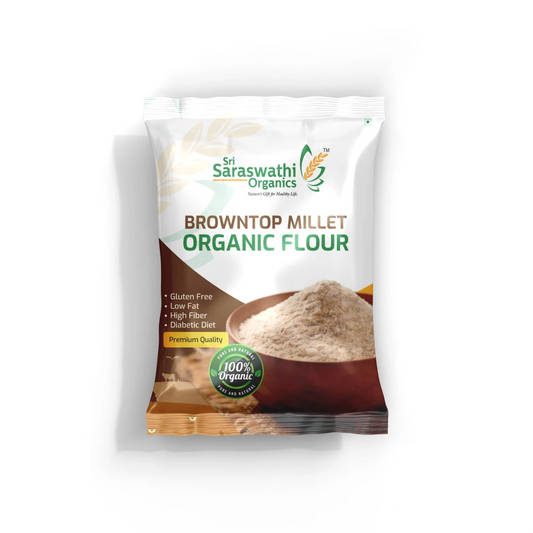
🌾 Browntop Millet ⌄
Popular ways to use: Millet rice, pulao and traditional grain-based dishes.
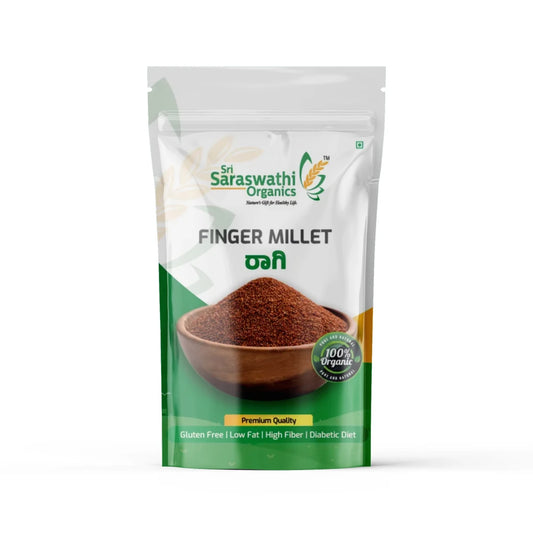
🌾 Finger Millet (Ragi) ⌄
Popular ways to use: Ragi mudde, dosa, porridge and rotti.
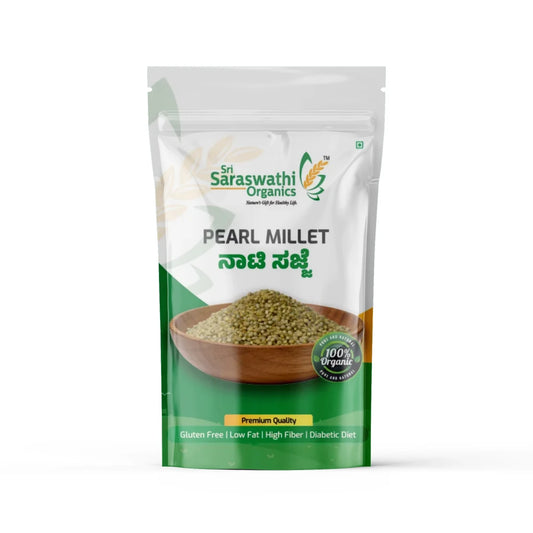
🌾 Pearl Millet (Bajra) ⌄
Popular ways to use: Bajra roti, khichdi and porridge.
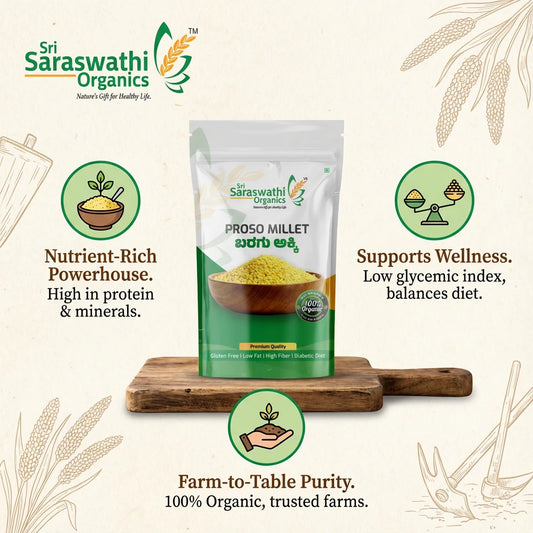
🌾 Proso Millet ⌄
Popular ways to use: Upma, pulao, khichdi, porridge and millet rice.
Explore our organic & unpolished millets to discover different varieties for your everyday meals.
Why Is Soaking Millets Important?
Before turning on the stove, there is one simple step you should never skip: soaking your millets. Because whole millet grains are densely packed and rich in natural dietary fibre, giving them adequate soak time allows that fibre to absorb water and fully hydrate. This softens the structure of the grains, cuts down your cooking time, and makes them much gentler and easier for your digestive system to process. It can also help reduce certain antinutritional compounds, such as phytates, which may affect mineral absorption.
Dr. Khadar Vali recommends soaking millets before consumption as part of his millet preparation approach. His suggested soaking durations vary depending on the form of millet:
🌾 Before You Cook Your Millets
Check the grains for impurities, rinse thoroughly and soak according to the millet variety and recipe. Proper soaking allows the grains to hydrate and can help achieve a more consistent cooking texture and better health benefits.
How to Cook Different Millets
One of the easiest ways to start eating millets is to cook them as a rice alternative. You can easily prepare whole, unpolished millet grains using either an open pot or a pressure cooker. Different varieties absorb water at varying rates, and the texture can change depending on whether the grains were soaked.
The guide below offers a baseline for cooking small millets. Feel free to adjust the water ratios and cooking times based on your specific cookware and preference.
Note: Water ratios are expressed as millet-to-water volume ratios. Always check product labels and adjust based on your preference.
Method 1: Cooking millets in an open pot
-
Rinse and soak the millet for 20–30 minutes.
-
Drain the grains and add them to a cooking pot with fresh water (using a 1:2 or 1:2.5 ratio).
-
Bring the water to a boil, then reduce the heat to low.
-
Cover with a lid and simmer until the grains are tender and the water is completely absorbed.
-
Turn off the heat and let it rest, covered, for 5 minutes.
-
Fluff gently with a fork before serving.
Method 2: Cooking millets in a pressure cooker
-
Rinse and soak the millet briefly, then drain.
-
Transfer the grains into a pressure cooker and add water (roughly a 1:2 ratio).
-
Close the lid and cook for 2 to 3 whistles on medium heat.
-
Allow the pressure to release naturally before opening the lid.
-
Fluff with a fork. (Note: You can adjust the cooking time or whistles slightly up or down depending on whether you prefer softer or firmer grains).
Can You Mix Different Millets Together?
While it is technically possible to combine different millets, doing so is generally not recommended, especially when working with the five Siridhanya (positive millets). Traditional health protocols popularized by experts like Dr. Khadar Vali emphasize that each millet variety possesses unique properties targeted toward supporting specific bodily systems, meaning that mixing them dilutes their focused benefits (making a rotation schedule of 2–3 days per millet preferred instead). Additionally, because millets are exceptionally dense and high in dietary fibre, cooking them together can lead to uneven textures and potential digestive discomfort like bloating. Therefore, it is best to enjoy one variety of millet per meal and rotate your choices throughout the week.
Easy Ways to Include Millets in Your Everyday Meals
Millets are versatile ingredients. Depending on the variety and whether you use whole grains or flour, you can include them in breakfast, lunch, dinner and snacks.
-
Breakfast: Millet upma, millet dosa, millet idli, ragi porridge, millet bisibelebath or millet pongal.
-
Lunch: Millet rice with sambar/curry, millet pulao, millet curd rice, millet khichdi, or tangy lemon millet.
-
Dinner: Light millet khichdi, ragi roti, or millets served with a warm bowl of dal and seasonal vegetables.
-
Snacks: millet noodles, millet pasta, millet chakli or savory millet payasa.
🍽️ Make Your Meals More Varied
Pair millet dishes with dal, pulses, vegetables, curd, nuts or other foods that suit your meal. A balanced plate is about the overall combination of foods, not just the grain you choose.
Explore Related Products:
Frequently Asked Questions:
Can I eat millets every day?
Can I eat millets instead of rice?
How should I store millets?


Offers and Updates
Get updates on our products, tips for healthy living, and special offers straight to your inbox.
